
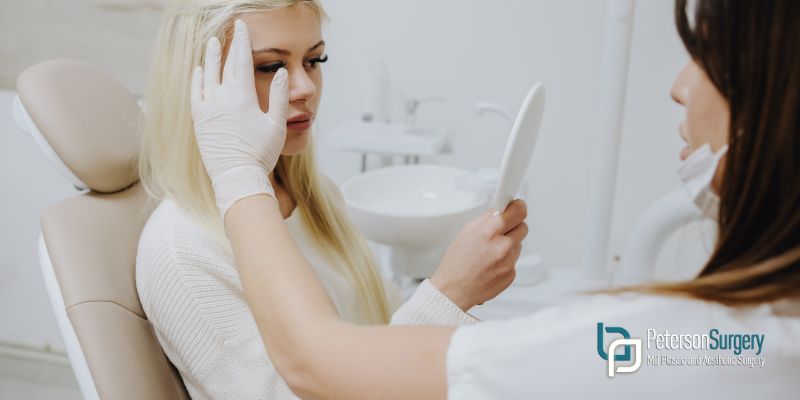
AGING CONCERNS
People consider cosmetic surgery for many different reasons, but one of the most common motivations is addressing visible signs of aging. As the body changes over time, individuals may notice differences in facial contours, skin elasticity, and overall appearance that can affect how they feel about their image. While aging is a natural process, some patients choose cosmetic procedures to address concerns that cannot be improved through skincare products or lifestyle changes alone.
Aging can affect multiple areas of the face and body. Skin may gradually lose elasticity, volume may diminish, and tissues can begin to shift. These changes often contribute to concerns such as sagging skin, wrinkles, folds, and reduced definition. Cosmetic surgery procedures are designed to address these structural changes and create improvements that appear balanced and natural.
Common age-related concerns include:
- Sagging skin
- Deep facial folds
- Loss of facial volume
- Reduced jawline definition
- Drooping eyelids
- Loose neck skin
- Changes in facial contours
Many patients seek treatment because they feel their appearance no longer reflects how they feel internally. They may feel energetic, active, and confident but believe visible signs of aging create a mismatch between their appearance and self-perception. Cosmetic surgery can help address these concerns by restoring facial balance and improving certain age-related changes.
It is important to understand that cosmetic surgery is not intended to stop the aging process. Instead, procedures are designed to improve specific concerns and create long-lasting enhancements. Modern surgical techniques focus on achieving natural-looking results rather than dramatic transformations.
Another reason patients pursue treatment is the desire to address concerns that have developed gradually over time. Some individuals notice subtle changes over many years before deciding to explore their options. Others become interested in treatment after seeing more significant changes in photographs or daily interactions.
Consultations play an important role in helping patients understand what procedures can realistically accomplish. During this process, providers assess anatomy, discuss concerns, and explain available treatment options. This personalized approach helps ensure recommendations align with individual goals and expectations.
Many cosmetic procedures are highly customizable. Rather than applying the same approach to every patient, treatment plans are tailored to address unique concerns and anatomical features. This focus on personalization helps support outcomes that complement existing facial characteristics.
Patients often find that learning about available procedures helps them better understand their options. Whether concerns involve the face, neck, eyelids, or other areas, modern cosmetic surgery offers a variety of solutions designed to address age-related changes while preserving a natural appearance.
For many individuals, addressing signs of aging is not about looking dramatically younger. Instead, it is about feeling comfortable with their appearance and making choices that align with their personal goals. Understanding these motivations helps explain why age-related concerns remain one of the most common reasons patients consider cosmetic surgery.
AESTHETIC GOALS
In addition to aging concerns, many patients consider cosmetic surgery to enhance specific features or achieve particular aesthetic goals. These goals vary significantly from person to person and are often influenced by individual preferences, facial proportions, and personal expectations.
Some individuals have concerns that have been present for many years. These concerns may involve facial features, body contours, or structural characteristics that affect confidence and self-image. Cosmetic procedures can sometimes address these concerns by creating improvements that align more closely with a patient's desired appearance.
Patients may pursue cosmetic surgery for reasons such as:
- Improving facial balance
- Refining facial features
- Enhancing symmetry
- Improving body contours
- Correcting structural concerns
- Addressing inherited characteristics
- Supporting personal aesthetic goals
Aesthetic goals are highly personal and should never be based solely on trends or outside influences. The most successful outcomes often occur when patients pursue treatment for themselves and have realistic expectations about what can be achieved. Understanding personal motivations helps ensure decisions are thoughtful and informed.
Modern cosmetic surgery emphasizes individualized treatment planning. Providers evaluate facial proportions, anatomy, skin quality, and overall goals before recommending a procedure. This assessment helps create results that appear harmonious and proportionate rather than artificial.
Many patients appreciate the ability to address concerns that have affected them for years. Whether those concerns involve facial features, body shape, or visible asymmetries, treatment can sometimes provide improvements that contribute to greater satisfaction with appearance.
Another factor that motivates patients is the desire for long-lasting results. While non-surgical treatments can provide meaningful improvements, some concerns may require surgical intervention to achieve the desired outcome. Understanding the differences between available treatment options helps patients determine which approach aligns best with their objectives.
Education is an important part of the decision-making process. Learning about procedures, recovery expectations, and anticipated outcomes allows patients to make informed choices. Providers can answer questions, discuss limitations, and explain how specific treatments may address particular concerns.
Patients should also recognize that cosmetic surgery is not about achieving perfection. Every individual has unique features and characteristics that contribute to their appearance. The goal is often refinement and enhancement rather than complete transformation.
Because aesthetic goals vary widely, no single procedure is appropriate for everyone. Personalized consultations help identify concerns, evaluate treatment options, and establish realistic expectations. This collaborative approach supports outcomes that reflect the patient's goals while maintaining natural-looking results.
Ultimately, aesthetic goals represent an important reason many individuals explore cosmetic surgery. By understanding available options and working closely with qualified providers, patients can make decisions that support their desired appearance while preserving individuality and balance.
PERSONAL CONFIDENCE
Confidence is another significant factor that influences a patient's decision to consider cosmetic surgery. While cosmetic procedures are focused on physical appearance, many individuals report that their concerns affect how they feel in social, professional, and personal situations. Addressing specific concerns can sometimes contribute to greater self-confidence and overall satisfaction.
Confidence-related motivations are highly individual. One patient may feel self-conscious about visible signs of aging, while another may be concerned about a facial feature that has affected them for years. Understanding the personal nature of these concerns is important when discussing cosmetic treatment options.
Factors that may influence confidence include:
- Visible signs of aging
- Facial asymmetry
- Structural concerns
- Changes following weight loss
- Long-standing appearance concerns
- Self-image considerations
- Personal aesthetic preferences
It is important to recognize that cosmetic surgery is a personal choice. Patients pursue treatment for a variety of reasons, and those reasons may differ significantly from one individual to another. The decision should always be based on personal goals rather than outside pressure or unrealistic expectations.
Many patients report feeling more comfortable and confident after addressing concerns that have bothered them for an extended period. While cosmetic surgery cannot solve every challenge, it can help individuals improve features that affect their satisfaction with their appearance.
Confidence often influences how people interact with others and perceive themselves. Feeling comfortable with one's appearance can contribute to positive experiences in both personal and professional environments. This is one reason cosmetic surgery continues to be a popular option for many individuals.
Consultations provide an opportunity for patients to discuss not only physical concerns but also the motivations behind their interest in treatment. Understanding these goals helps providers recommend procedures that align with patient expectations while promoting realistic outcomes.
Another important consideration is emotional preparedness. Patients who have a clear understanding of their goals and realistic expectations are often better positioned to feel satisfied with their results. Open communication with the surgical team supports informed decision-making and helps create a positive treatment experience.
Learning more about Cosmetic Surgery options can help patients determine whether treatment aligns with their goals. Understanding available procedures, recovery expectations, and anticipated outcomes provides valuable insight during the decision-making process.
Patients should also remember that cosmetic surgery is only one part of a broader approach to personal well-being. Healthy lifestyle habits, self-care, and realistic expectations all contribute to overall satisfaction and confidence. Cosmetic procedures can complement these efforts by addressing concerns that may not respond to other approaches.
Ultimately, there is no single reason why patients consider cosmetic surgery. Some individuals are motivated by age-related concerns, others by aesthetic goals, and many by a desire to improve confidence. Understanding these common motivations helps patients explore their options thoughtfully and make decisions that align with their personal objectives and desired outcomes.
FAQ's
Q: WHY DO PEOPLE CONSIDER COSMETIC SURGERY?
A: People consider cosmetic surgery for many reasons, including addressing visible signs of aging, enhancing specific features, improving facial balance, and increasing confidence.
Q: IS COSMETIC SURGERY ONLY FOR AGING CONCERNS?
A: No. While many patients seek treatment for age-related changes, others pursue cosmetic surgery to address aesthetic goals, structural concerns, or long-standing appearance preferences.
Q: HOW DO I KNOW IF COSMETIC SURGERY IS RIGHT FOR ME?
A: A consultation with a qualified provider can help determine whether a procedure aligns with your goals, expectations, and individual concerns.
.jpg "Laser Skin Resurfacing vs Dermabrasion: Which Skin Rejuvenation Treatment Is Right for You Overall?")
.jpg "The Best Skin Treatments for Sun Damage, Wrinkles, and Acne Scars")
.jpg "Plastic Surgery vs Cosmetic Surgery: What's the Difference?")