
FIRST WEEK RECOVERY
Eyelid surgery, also called blepharoplasty, may be performed on the upper eyelids, lower eyelids, or both. It can address excess skin, puffiness, under-eye bags, and other concerns. Recovery begins immediately, and the first week brings the most noticeable swelling, bruising, and tightness.
Most patients return home the same day with aftercare instructions. Because ointment, swelling, and medication can affect vision or alertness, someone should drive you home and stay nearby initially. The eyelids may feel heavy, sensitive, or difficult to open.
Swelling often becomes more noticeable during the first two or three days before improving. Bruising may appear beneath the eyes. It can change colour as the body absorbs it. One side may look more swollen than the other, creating temporary asymmetry that does not necessarily reflect the final result.
Patients may also notice watery eyes, dryness, light sensitivity, blurred vision, irritation. Lubricating ointment can make vision appear greasy or cloudy briefly. These effects improve as swelling decreases, but sudden, severe, or unusual symptoms should be reported promptly.
Early recovery focuses on protecting the tissues and reducing irritation:
- Head elevation
- Cool compresses
- Gentle walking
- Eye protection
- Follow-ups
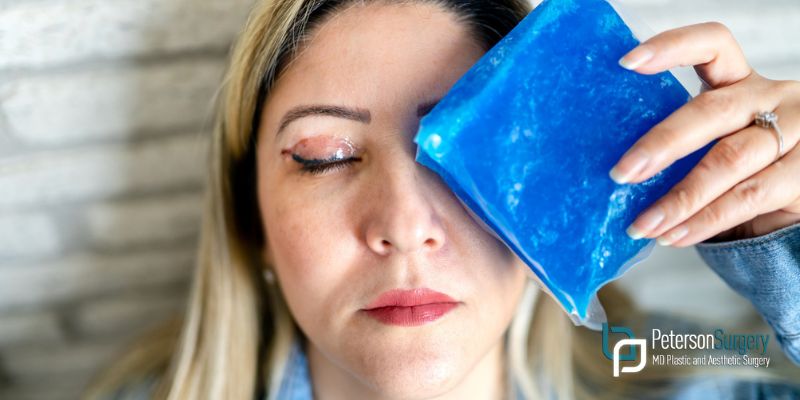
Keeping the head elevated while resting may help limit fluid around the eyelids. Cool compresses may also be recommended, but they should be applied gently without pressing on the incisions. Follow the instructions provided by your surgeon.
Short walks around the home can support circulation, but the rest of the day should remain calm. Bending forward, lifting heavy objects, straining, or demanding chores may increase pressure around the eyes. Preparing meals, medications, pillows, and towels before surgery can make the first days easier.
The incision areas must be treated carefully. Avoid rubbing the eyes, pulling on the eyelids, picking at crusting, or applying unapproved skincare products. If removable sutures are used, the surgeon will explain when they should be taken out. Never remove sutures at home.
Discomfort is often manageable, but every patient heals differently. Take only medications approved by the surgeon. Some medications and supplements may increase bleeding risk, so the medication plan should be reviewed. Severe or worsening pain should never be ignored.
RESUME ACTIVITIES
Many patients feel better after the first week, although bruising and swelling may still be visible. A common planning range is approximately 10 to 14 days before returning to work or social activities, but timing depends on the procedure, healing progress, and type of work.
Someone who works from home may feel ready sooner than a person whose job involves lifting, bending, dust, outdoor exposure, or physical effort. Screen use may feel uncomfortable because the eyes can become dry, tired, or sensitive. Starting with short periods, reducing brightness, and taking regular breaks can make device use more comfortable.
Driving should wait until vision is clear, swelling does not interfere with sight, and medication no longer affects alertness. Patients must be able to react quickly, judge distances, and see comfortably in changing light. The surgeon should provide clearance.
Exercise must be resumed gradually. Light walking is generally easier to tolerate than running, weight training, hot yoga, swimming, or contact sports. Strenuous activity can increase heart rate, swelling, and bleeding risk. Even when the eyelids look better, deeper tissues are still healing, so approval is important before intense exercise.
Contact lenses may need to be avoided because inserting or removing them can pull on the eyelids. Glasses are often more practical during early recovery. Eye makeup, creams, serums, and cleansers should remain off the incision areas until the surgeon confirms they are safe.
Sun and wind protection are important throughout eyelid surgery recovery. Sunglasses can shield the eyes from bright light, dust, wind, and accidental contact. Once the incisions are healed enough, sunscreen may be recommended to help protect scars from darkening.
Sleeping position can matter beyond the first few nights. Elevating the head and avoiding pressure against the face may reduce morning swelling. Patients who normally sleep on their stomach or side may need extra pillows to remain positioned on their back.
Social readiness is personal. Some patients are comfortable with mild bruising, while others prefer to wait until most visible changes have faded. Concealer may eventually help, but it should not be applied until the incisions are closed and makeup has been approved. Surgery before an important event should include extra healing time.
Follow-up appointments remain essential. These visits allow the surgeon to assess the incisions, remove sutures, monitor swelling, answer questions, and adjust aftercare instructions.
WHEN WILL THE FINAL RESULTS APPEAR?
The most visible signs of surgery often improve within the first two weeks, but eyelid surgery recovery continues beyond that point. Residual swelling, firmness, numbness, tightness, or pinkness along the incisions can remain after patients return to normal routines. These changes usually become less noticeable gradually.
Upper eyelid incisions are commonly placed within the natural crease, while lower eyelid incisions may be positioned beneath the lash line or inside the eyelid, depending on the technique. Early scars can look pink, raised, or uneven. As healing progresses, they generally soften and fade.
Patients should avoid judging the final result too early. Swelling can temporarily change eyelid shape, crease definition, and symmetry. The eyes may appear more open on one side, or incision lines may sit differently during the first weeks. Many subtle differences improve as the tissues settle.
The final outcome may continue developing for several months. During this period, patients should protect the area from sunlight, use approved skincare products, and avoid treatments around the eyes unless cleared by the surgeon. Facial treatments, lasers, injectables, lash services, and other cosmetic procedures may need to wait.
Healthy habits support the body’s natural repair process. Balanced meals, enough water, consistent sleep, and avoiding smoking may help patients feel better while they heal. Alcohol may interact with medication or contribute to swelling, so the surgeon’s instructions should be followed.
It is important to recognize warning signs. Contact the surgical team promptly for worsening pain, sudden vision changes, heavy bleeding, increasing redness, unusual drainage, fever, or rapidly increasing swelling. Emergency symptoms require immediate medical attention. Written instructions should explain who to contact during and outside office hours.
Recovery is not identical for every patient. Upper and lower eyelid procedures may heal differently, and combining eyelid surgery with another facial procedure can extend downtime. Age, general health, medications, skin quality, and personal healing patterns also influence the timeline.
A consultation with a qualified plastic surgeon in Edmonton allows patients to discuss their goals, medical history, work schedule, and upcoming commitments. The surgeon can explain the recommended procedure, likely downtime, incision placement, activity restrictions, and expected progression of results.
Patience is one of the most important parts of healing. Daily photographs can make progress easier to recognize because changes may feel slow in the mirror. Comparing recovery with another person is rarely helpful because swelling, bruising, and scar maturation vary.
By protecting the incisions, following activity restrictions, attending follow-up appointments, and communicating concerns early, patients can move through recovery with greater confidence. The goal is not to rush the process but to allow enough time for safe healing. Personalized instructions from the operating surgeon should always take priority over general information.
FAQ's:
Q: HOW LONG DOES EYELID SURGERY RECOVERY TAKE?
A: Many patients feel comfortable returning to work and social activities within approximately 10 to 14 days. However, bruising, swelling, tightness, and incision colour may continue improving for several weeks or months. The complete timeline depends on whether the upper eyelids, lower eyelids, or both were treated, along with the patient’s health and natural healing response.
Q: WHAT SHOULD YOU AVOID AFTER EYELID SURGERY?
A: Patients are generally advised to avoid rubbing their eyes, wearing contact lenses too soon, lifting heavy objects, completing strenuous exercise, swimming, smoking, and applying unapproved products near the incisions. Restrictions vary, so patients should follow the aftercare plan provided by their surgeon and receive approval before resuming regular activities.
Q: WHEN SHOULD YOU CONTACT YOUR SURGEON?
A: Contact the surgical team promptly if you experience worsening or severe pain, sudden vision changes, heavy bleeding, increasing redness, unusual drainage, fever, or rapidly worsening swelling. Patients should receive clear instructions about who to contact during regular hours and where to seek urgent help when the clinic is closed.
.jpg "Laser Skin Resurfacing vs Dermabrasion: Which Skin Rejuvenation Treatment Is Right for You Overall?")
.jpg "The Best Skin Treatments for Sun Damage, Wrinkles, and Acne Scars")
.jpg "Plastic Surgery vs Cosmetic Surgery: What's the Difference?")