Modern Techniques Focus on Facial Structure
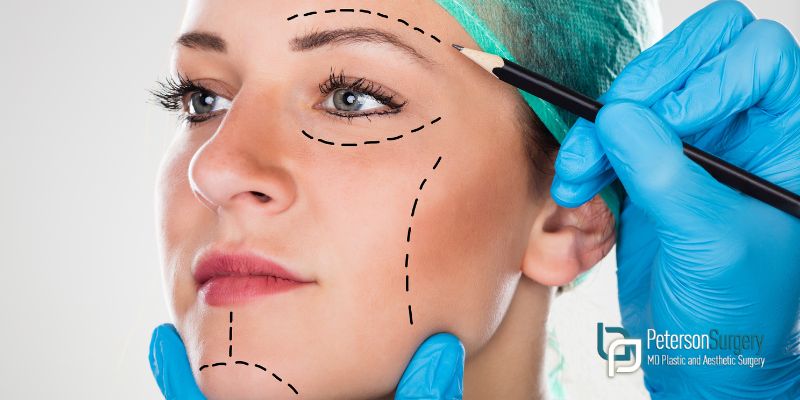
One of the biggest changes in facial surgery is the shift toward procedures that focus on deeper facial structures instead of simply tightening the skin. Older surgical methods often relied heavily on pulling the skin tighter, which could sometimes create an unnatural or overly stretched appearance.
Modern procedures such as deep plane facelifts and SMAS facelifts instead focus on repositioning underlying tissues and restoring structural support beneath the skin. This allows facial rejuvenation to look smoother, softer, and more balanced over time.
Some of the most important advancements include:
- Repositioning deeper facial tissues instead of only tightening surface skin
- Preserving natural facial movement and expression
- Creating softer facial contours and transitions
- Reducing the overly pulled appearance associated with older facelift methods
- Supporting longer-lasting structural rejuvenation
Volume restoration has also become a major part of modern facial surgery planning. Aging is often associated with facial volume loss in areas such as the cheeks, temples, and jawline, not just loose skin alone. Fat grafting procedures are now commonly combined with surgery to restore fullness in a more natural-looking way.
As a result, many patients today achieve refreshed facial enhancement while still maintaining their unique facial identity and expressions.
Personalized Planning Creates Better Results
Another reason modern facial surgery procedures appear more natural is the growing focus on individualized treatment planning. Surgeons now carefully evaluate facial anatomy, skin quality, bone structure, aging patterns, and overall facial proportions before recommending procedures.
Instead of applying the same approach to every patient, treatment plans are customized to support facial harmony and balanced improvement. Many patients today are requesting subtle refinement rather than dramatic transformation.
Modern consultation technology has also improved communication during surgical planning. Advanced imaging and assessment systems help patients better understand realistic outcomes while allowing surgeons to tailor procedures more accurately.
Modern personalized treatment plans may include:
- Facelift surgery combined with eyelid surgery
- Neck contouring to improve jawline definition
- Fat grafting to restore facial fullness
- Skin resurfacing to improve texture and tone
- Conservative enhancements that maintain facial identity
This combination approach often creates more natural results because improvements are distributed evenly across the face rather than focused on one isolated area. Patients frequently report wanting to look rested, refreshed, and healthier instead of noticeably different.
Advanced Recovery on Natural Outcomes
Advancements in recovery techniques have also played an important role in creating more natural-looking cosmetic results. Modern surgical methods are designed to reduce trauma to surrounding tissues, minimize swelling, and support smoother healing.
Smaller incisions and improved surgical precision can help reduce visible scarring while shortening downtime for many patients. Recovery experience has become an increasingly important factor in modern facial surgery planning.
Several recovery improvements now support better healing outcomes:
- More refined incision placement
- Reduced swelling and bruising techniques
- Improved scar management approaches
- Customized post-operative care plans
- More gradual and natural healing progression
Another important factor is that modern facial surgery emphasizes preserving facial identity instead of dramatically changing appearance. Surgeons now commonly aim to enhance natural contours while respecting each patient’s facial proportions and expressions.
In 2026, cosmetic surgery trends continue shifting toward balanced and refined enhancement rather than exaggerated cosmetic changes. Modern facial surgery techniques support this trend by helping patients achieve refreshed, authentic-looking results that age naturally over time. If you are considering facial surgery, contact us to learn more about personalized facial rejuvenation procedures and modern cosmetic treatment options.
FAQs
Q: WHY DO MODERN FACIAL SURGERY RESULTS LOOK MORE NATURAL?
A: Modern facial surgery techniques focus more on restoring facial structure and repositioning deeper tissues rather than simply tightening the skin. This helps preserve natural facial movement and expression while reducing the overly stretched appearance associated with older cosmetic procedures. Surgeons also use more personalized treatment planning and conservative enhancement techniques to create balanced results that match each patient’s facial anatomy. Many procedures now include volume restoration and facial contouring methods that support softer and more realistic rejuvenation. The overall goal is typically to create refreshed improvements while maintaining the patient’s natural identity and facial proportions.
Q: WHAT IS THE DIFFERENCE BETWEEN OLDER AND MODERN FACELIFT TECHNIQUES?
A: Older facelift methods often relied heavily on tightening loose skin, which could sometimes create unnatural tension or a pulled appearance. Modern facelift techniques instead focus on repositioning deeper facial tissues and restoring structural support beneath the skin. Procedures such as deep plane facelifts and SMAS facelifts help improve facial contours more naturally while preserving facial movement. Modern approaches also frequently include fat grafting, neck contouring, or skin resurfacing to improve overall facial balance. These advancements have helped many patients achieve longer-lasting and more subtle rejuvenation compared to traditional facelift techniques.
Q: CAN FACIAL SURGERY STILL LOOK NATURAL AFTER RECOVERY?
A: Natural-looking results are one of the primary goals of modern facial surgery procedures. Recovery improvements, refined surgical methods, and personalized treatment planning all contribute to more subtle cosmetic outcomes. Most patients today want to appear refreshed rather than dramatically altered, and modern procedures are increasingly designed to support that preference. Healing also occurs gradually, allowing swelling to settle over time and helping changes appear softer and more balanced. Choosing procedures that match individual facial anatomy and realistic expectations is an important part of achieving natural-looking long-term results.
.jpg "Laser Skin Resurfacing vs Dermabrasion: Which Skin Rejuvenation Treatment Is Right for You Overall?")
.jpg "The Best Skin Treatments for Sun Damage, Wrinkles, and Acne Scars")
.jpg "Plastic Surgery vs Cosmetic Surgery: What's the Difference?")