
SURGICAL TREATMENTS
Cosmetic treatments have evolved significantly over the years, providing patients with a wide range of options for addressing aesthetic concerns. Among the most common choices are surgical procedures, which are designed to create more substantial and long-lasting changes. These treatments typically focus on altering facial or body structures to achieve a desired appearance that may not be possible through non-surgical methods alone.
Surgical cosmetic procedures are often recommended when concerns involve excess skin, significant tissue laxity, structural changes, or features that require repositioning. Because these treatments address deeper anatomical structures, they can often deliver more dramatic and longer-lasting outcomes compared to non-surgical alternatives.
Common surgical cosmetic treatments include:
- Facelift procedures
- Eyelid surgery
- Rhinoplasty
- Neck lift procedures
- Brow lift surgery
- Chin augmentation
- Lip lift procedures
Surgical procedures are often selected when patients are looking for improvements that cannot be achieved through less invasive treatments. Because these procedures address deeper structures beneath the skin, they can create more comprehensive changes in facial contours and proportions. In many cases, surgical treatments are recommended when skin laxity, tissue descent, or structural concerns have progressed beyond what non-surgical options can effectively address.
One of the primary advantages of surgical treatment is its ability to address concerns at their source. Rather than temporarily improving appearance, surgery often creates structural changes that can provide lasting results for many years. This can make surgical procedures appealing to individuals seeking significant improvements in facial contour, skin laxity, or age-related changes.
Another benefit is the level of customization available. Cosmetic surgeons can tailor procedures to a patient's anatomy, goals, and overall facial balance. This personalized approach helps create outcomes that appear natural and proportional rather than overly dramatic or artificial.
However, surgical treatments typically require a greater commitment. Patients should consider factors such as recovery time, post-operative care, temporary swelling, and healing expectations. Results also develop gradually as tissues heal and settle following treatment.
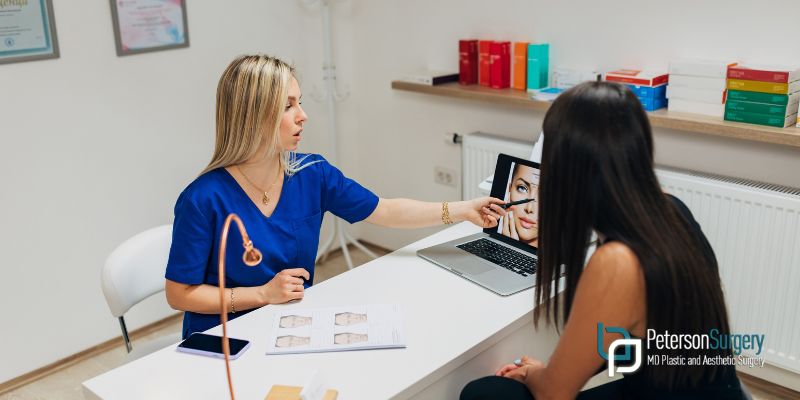
A consultation plays an important role in determining whether surgery is appropriate. During this process, a provider evaluates concerns, discusses goals, and explains what can realistically be achieved through treatment. This helps patients make informed decisions while developing realistic expectations.
Although surgery may involve more downtime than non-surgical options, many individuals view the longer-lasting nature of results as a worthwhile investment. The decision ultimately depends on personal preferences, treatment goals, and the specific concerns being addressed.
Modern cosmetic surgery continues to emphasize natural-looking outcomes. Advances in techniques, planning, and patient care have made it possible to achieve improvements that enhance appearance while maintaining individual characteristics. Rather than creating a completely different look, today's procedures often focus on refinement and balance.
For patients seeking significant correction of structural or age-related concerns, surgical treatment may provide solutions that cannot be replicated through non-surgical methods alone. Understanding these benefits can help individuals determine whether a surgical approach aligns with their aesthetic goals.
TREATMENT OPTIONS
Non-surgical cosmetic treatments have become increasingly popular due to their convenience, flexibility, and minimal recovery requirements. These procedures are designed to improve appearance without the need for incisions, anesthesia, or extended downtime, making them appealing to individuals who want noticeable enhancements while maintaining their regular routines.
Unlike surgical procedures, non-surgical treatments typically focus on improving the appearance of the skin, restoring volume, or reducing the visibility of certain age-related changes. While these treatments can provide meaningful improvements, they generally do not create the same level of structural change as surgery.
Non-surgical treatments are also commonly used as preventative measures. Some patients choose these procedures before significant signs of aging develop in order to maintain their appearance over time. This proactive approach can help address minor concerns early while providing flexibility as aesthetic goals evolve.
Popular non-surgical cosmetic treatments include:
- Neuromodulator injections
- Dermal fillers
- Skin resurfacing treatments
- Chemical peels
- Microneedling procedures
- Laser treatments
- Skin tightening technologies
One of the most significant advantages of non-surgical treatment is convenience. Many procedures can be completed in a relatively short appointment, allowing patients to return to normal activities shortly afterward. This reduced recovery period often makes non-surgical options attractive for individuals with busy schedules.
Another benefit is flexibility. Because many treatments produce temporary results, adjustments can be made over time as goals, preferences, or aesthetic needs change. Some patients appreciate the ability to gradually enhance their appearance without committing to permanent structural changes.
Non-surgical treatments are often effective for addressing:
- Fine lines and wrinkles
- Volume loss
- Skin texture concerns
- Uneven skin tone
- Mild skin laxity
- Early signs of aging
- Facial contour enhancement
Although non-surgical treatments may offer less downtime, they often require maintenance appointments to preserve results. Depending on the procedure, improvements may last several months or a few years before additional treatment is recommended.
Patient expectations are especially important when considering non-surgical options. While these treatments can provide excellent improvements for many concerns, they may not produce the same degree of correction possible through surgery. Understanding these limitations helps individuals choose treatments that align with their goals.
Advancements in technology have significantly expanded the range of non-surgical solutions available today. Providers can often combine multiple treatments to address different concerns simultaneously, creating customized plans that support balanced and natural-looking outcomes.
For individuals seeking subtle enhancements, preventative care, or gradual improvements, non-surgical procedures can offer an effective solution. These treatments continue to play an important role within modern Cosmetic Surgery practices and provide valuable options for patients at various stages of their aesthetic journey.
COMPARING RESULTS
Choosing between surgical and non-surgical cosmetic treatments requires careful consideration of goals, expectations, lifestyle, and the nature of the concerns being addressed. While both approaches can improve appearance, they differ significantly in terms of treatment process, recovery, longevity, and outcomes.
One of the most important factors to consider is the desired level of change. Surgical procedures generally produce more substantial and longer-lasting results because they address underlying structures and tissue positioning. Non-surgical treatments often provide more moderate improvements and are frequently used to enhance or maintain appearance over time.
When comparing treatment options, patients should consider:
- Desired level of correction
- Recovery requirements
- Treatment longevity
- Budget considerations
- Comfort with procedures
- Maintenance expectations
- Overall aesthetic goals
Recovery can be a major deciding factor. Surgical treatments often require a dedicated healing period, while non-surgical options generally involve little to no downtime. Individuals with demanding schedules may prefer treatments that allow them to quickly return to daily activities.
Longevity is another important consideration. Surgical procedures often provide results that last for many years, whereas non-surgical treatments usually require ongoing maintenance. Although repeated treatments can successfully preserve results, patients should understand the long-term commitment involved.
Cost comparisons can also vary. Surgical procedures typically involve a higher upfront investment, while non-surgical treatments may require multiple sessions over time. Evaluating both immediate and long-term costs can help patients determine which option aligns best with their priorities.
Many individuals discover that the choice is not necessarily between surgery and non-surgical treatment. In some cases, combining approaches may provide the most comprehensive outcome. Surgical procedures can address structural concerns, while non-surgical treatments help maintain results or improve additional aesthetic issues.
A thorough consultation remains one of the most valuable parts of the decision-making process. Providers can assess facial anatomy, discuss goals, review treatment options, and explain realistic outcomes. This personalized evaluation helps ensure recommendations are tailored to individual needs rather than generalized assumptions.
Ultimately, the most appropriate treatment depends on the patient's concerns, expectations, and desired results. Whether choosing a surgical procedure, a non-surgical treatment, or a combination of both, understanding the advantages and limitations of each approach can help individuals make confident and informed decisions about their appearance.
Another important factor to consider is personalization. No two patients have identical concerns, which means treatment recommendations should always be based on a detailed assessment. Factors such as age, skin quality, facial anatomy, lifestyle, and desired outcomes all influence the most appropriate treatment plan. A personalized approach helps ensure that recommendations align with both short-term expectations and long-term goals.
Patients should also understand that cosmetic treatments are not necessarily an either-or decision. Many modern treatment plans combine surgical and non-surgical approaches to create balanced results. For example, surgery may address structural concerns while non-surgical treatments help maintain skin quality and overall appearance over time. This combination approach can provide comprehensive improvements while supporting long-term satisfaction.
FAQ's
Q: WHAT IS THE MAIN DIFFERENCE BETWEEN SURGICAL AND NON-SURGICAL TREATMENTS?A
A: Surgical treatments create structural changes and typically provide longer-lasting results, while non-surgical treatments focus on enhancement and generally require ongoing maintenance.
Q: DO NON-SURGICAL TREATMENTS REQUIRE DOWNTIME?
A: Many non-surgical treatments involve little to no downtime, allowing patients to return to normal activities shortly after treatment.
Q: CAN SURGICAL AND NON-SURGICAL TREATMENTS BE COMBINED?
A:Yes. Many patients benefit from combining procedures to address different concerns and support more comprehensive aesthetic outcomes.
.jpg "Laser Skin Resurfacing vs Dermabrasion: Which Skin Rejuvenation Treatment Is Right for You Overall?")
.jpg "The Best Skin Treatments for Sun Damage, Wrinkles, and Acne Scars")
.jpg "Plastic Surgery vs Cosmetic Surgery: What's the Difference?")