
EARLY HEALING
A tummy tuck, or abdominoplasty, tightens the abdominal wall and removes excess skin, so recovery involves healing both the muscles and the skin. Tummy Tuck Recovery is generally more involved than recovery from less extensive procedures, and every patient heals at a different pace. The overview below describes what many patients experience, but your surgeon's instructions always take priority.
In the first days, patients typically notice tightness across the abdomen, swelling, bruising, and tenderness. A compression garment is commonly worn to provide support, and some surgeons use small drains to remove fluid for a period. Many patients find it comfortable to rest with the upper body and knees slightly elevated, and walking can be uncomfortable and may be done in a slightly bent position at first.
Common early experiences include:
- Tightness
- Swelling
- Bruising
- Fatigue
- Tenderness
Light movement, such as short walks around the house, is often encouraged as directed, while heavy lifting, bending, and strenuous activity are generally avoided. Patients usually need help at home during this period, including with meals, household tasks, and caring for children or pets.
Wound and drain care instructions matter. Patients are told how to keep incisions clean, when they can shower, and how to manage drains if they are used. Following these instructions carefully can support healing during Tummy Tuck Recovery.
Follow-up visits allow the surgical team to check healing. Patients should contact the team promptly if they notice increasing pain, spreading redness, fever, unusual swelling, drainage that concerns them, or calf pain or shortness of breath, which can need urgent attention.
WEEK BY WEEK
The first week: This is typically the most uncomfortable stage. Swelling and tightness are at their most noticeable, and rest is a priority. Patients wear their compression garment as directed, take medication as prescribed, and walk gently as advised. Standing fully upright may feel difficult at first.
The following weeks: Discomfort usually eases and energy gradually returns, although fatigue is common. Swelling and tightness remain, and the abdomen may look swollen or uneven. Many patients begin to feel able to take on light daily tasks, while lifting and vigorous exercise remain restricted. Some patients may be able to return to desk-based work during this period, depending on their healing and the surgeon's guidance.
Several weeks after surgery: Many patients start to feel more like themselves, and the surgeon may begin to approve additional activity. Strenuous exercise and heavy lifting are typically reintroduced gradually and only when cleared. Compression garments may still be recommended for a period.
Recovery factors include:
- Compression
- Walking
- Rest
- Swelling
- Patience
These stages are general, not a schedule. Healing is influenced by age, overall health, the extent of the procedure, whether other procedures were combined, and how closely instructions are followed. Patients who feel they are healing more slowly or quickly than expected should talk to their surgical team rather than comparing themselves with others.
LONG-TERM RESULTS
Even after the early weeks, healing continues. Swelling can persist for months and often fluctuates, tending to be more noticeable later in the day or after activity. The abdomen may feel firm or tight during this time, and sensation may be reduced in some areas. The shape continues to refine as swelling resolves and tissues soften.
Scars are an expected part of Tummy Tuck Recovery. Their length and position depend on the technique used, and they typically fade over time without disappearing completely. Scar care instructions and sun protection may be recommended to support healing.
Like any surgery, a tummy tuck carries risks. These can include bleeding, infection, fluid collection, delayed healing, noticeable scarring, changes in sensation, blood clots, asymmetry, and the possibility that further procedures may be considered. Anesthesia has its own risks. Patients should discuss their medical history, medications, and any plans for future pregnancies or weight change with their surgeon.
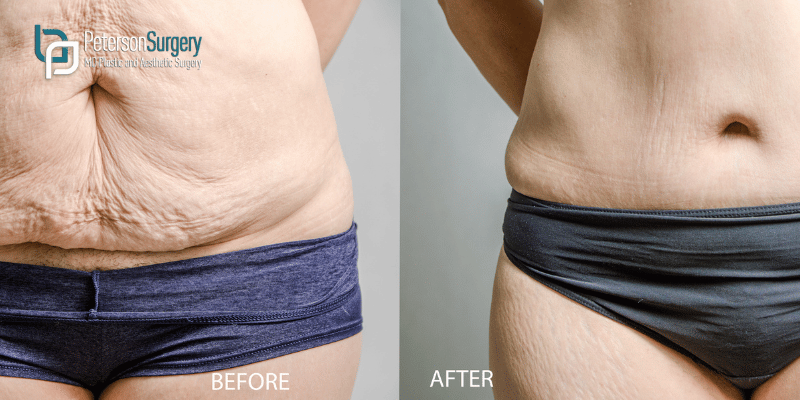
Results are most reliable when weight is stable. Significant weight changes after surgery can affect the appearance of results. Patients should view the outcome realistically, understanding that surgery improves contour but cannot guarantee a particular look.
Patients also often ask how recovery compares with other procedures. A tummy tuck is generally a more extensive procedure than liposuction alone, so recovery may involve more restrictions and a longer healing period. A surgeon can explain how recovery may differ for your specific plan, especially if procedures are combined.
Planning ahead can make a difference. Arranging time off work, help at home, loose comfortable clothing, and supplies before surgery can reduce stress. Cost may vary depending on the extent of the surgery, so patients should ask what a quoted figure includes.
Ultimately, Tummy Tuck Recovery is a gradual process that differs from patient to patient. A personalized consultation can help determine whether a tummy tuck is appropriate and what recovery may involve for you. By understanding the stages, the limits, and the risks, you can plan with confidence.
FAQ's:
Q: HOW LONG IS TUMMY TUCK RECOVERY?
A: Early recovery takes several weeks, while swelling and shape continue to settle over months. Recovery varies, so your surgeon can explain what to expect for you.
Q: WHEN CAN I RETURN TO WORK AFTER A TUMMY TUCK?
A: This depends on your healing and the demands of your job. Desk-based work may be possible sooner than physically demanding work, but your surgeon will advise you.
Q: IS TUMMY TUCK RECOVERY LONGER THAN LIPOSUCTION?
A: A tummy tuck is generally more extensive than liposuction alone, so recovery may involve more restrictions and a longer healing period.