
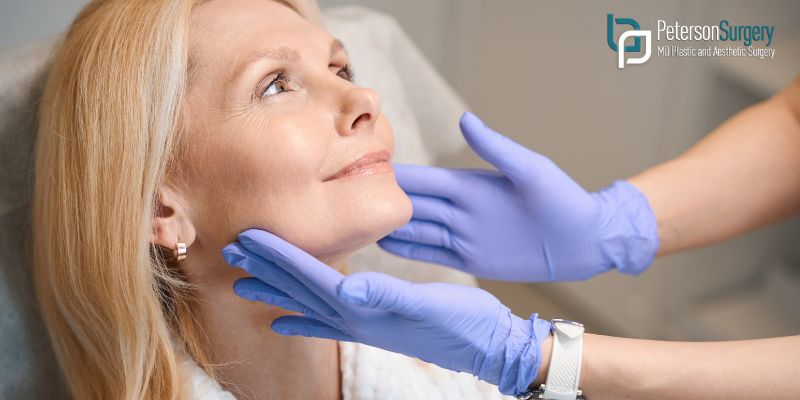
THE FIRST DAYS
Understanding Facial Surgery Recovery can help patients feel more prepared and confident throughout the healing process. Recovery is an important part of the facial surgery journey and plays a significant role in achieving the desired outcome. While every patient heals differently, understanding what to expect during the early stages of recovery can help reduce uncertainty and make the process feel more manageable. The first stage of Facial Surgery Recovery is often focused on rest, swelling management, and following post-operative instructions. Immediately after surgery, patients may experience swelling, bruising, tightness, and mild discomfort. These effects are a normal part of the healing process and typically improve gradually over time. The extent of these symptoms often depends on the type of procedure performed and individual healing factors.
Common experiences during the first days of recovery include:
- Swelling around the treatment area
- Bruising and temporary discoloration
- Mild discomfort or tightness
- Temporary numbness
- Increased sensitivity
- Fatigue and reduced energy levels
- Follow-up appointments with the surgeon
Rest is one of the most important aspects of recovery during this stage. Patients are often encouraged to avoid strenuous activities and focus on allowing their bodies to heal. Keeping the head elevated, staying hydrated, and following care instructions can support a smoother recovery process.
Many patients are surprised to learn that swelling and bruising can temporarily obscure their results. While this is completely normal, it can take time before improvements become more visible. Patience is important during the healing process, as the final outcome develops gradually rather than immediately.
Follow-up visits are also an important part of recovery. These appointments allow the surgeon to monitor healing progress, answer questions, and provide guidance regarding activity levels and ongoing care. Open communication helps ensure that recovery stays on track and that concerns are addressed promptly.
Although the first few days often require the most adjustment, patients generally find that symptoms become more manageable as healing progresses. Understanding what is normal during this stage can help individuals feel more confident and prepared throughout the recovery process.
HEALING TIMELINES
Healing timelines vary depending on the procedure performed, the extent of treatment, and individual factors such as age, health, and lifestyle habits. While every recovery experience is unique, most patients move through a series of healing stages before achieving their final results.
The first week is often characterized by the most noticeable swelling and bruising. During this period, many patients focus on rest and limiting activities that could interfere with recovery. Improvements generally become more noticeable as these early symptoms begin to resolve.
As healing progresses, patients may experience:
- Reduced swelling
- Improved comfort levels
- Gradual fading of bruising
- Increased energy
- Improved mobility
- Better visibility of results
- Continued tissue healing
During the second and third weeks, many individuals begin feeling more comfortable returning to portions of their normal routine. However, recovery does not end when visible bruising disappears. Internal tissues continue healing long after the most obvious signs of surgery have improved.
Several factors can influence recovery timelines. Following post-operative instructions, attending follow-up appointments, maintaining healthy habits, and avoiding activities that place unnecessary stress on healing tissues can all contribute to a smoother experience. Individual healing responses also play an important role.
Patients should remember that facial surgery results often evolve over time. Initial improvements may be visible relatively early, but subtle refinements can continue developing for several months. This gradual progression is a normal part of the recovery process and contributes to natural-looking outcomes.
Another important consideration is that different facial procedures can have different recovery expectations. Some treatments may involve shorter healing periods, while others require additional time for swelling to fully resolve and tissues to settle into their final position. Understanding these differences helps patients maintain realistic expectations throughout recovery.
Emotional adjustment is also a normal part of healing. Because results develop gradually, patients may experience periods of uncertainty while swelling and bruising improve. Maintaining realistic expectations and focusing on long-term outcomes can help support a positive recovery experience.
The healing timeline should be viewed as a process rather than a single event. Every stage contributes to the final result, making patience and consistency essential components of successful recovery.
RECOVERY TIPS
Following professional guidance is one of the most important aspects of a successful Facial Surgery Recovery experience. Preparing for recovery before surgery can make the healing process more comfortable and less stressful. Having a clear understanding of recovery expectations allows patients to focus on healing while minimizing avoidable challenges during the weeks following treatment.
One of the most effective ways to support recovery is by carefully following all instructions provided by the surgical team. These guidelines are designed to protect healing tissues and reduce the risk of complications while supporting the best possible outcome.
Helpful recovery practices may include:
- Following all post-operative instructions
- Attending scheduled follow-up visits
- Staying hydrated
- Prioritizing rest and sleep
- Avoiding strenuous activities
- Protecting healing skin from sun exposure
- Maintaining healthy lifestyle habits
Nutrition can also play an important role in recovery. Consuming a balanced diet and staying properly hydrated helps support the body's natural healing processes. Adequate rest is equally important, as the body performs much of its healing during periods of recovery and sleep.
Patients should avoid comparing their progress to the experiences of others. Recovery varies from person to person, and healing timelines can differ even among individuals who undergo the same procedure. Focusing on personal progress rather than outside comparisons often leads to a more positive experience.
It is also helpful to prepare for temporary changes in appearance during recovery. Swelling, bruising, and minor asymmetries can occur as tissues heal. These temporary effects generally improve over time and should be viewed as a normal part of the process rather than a reflection of final results.
Communication with the surgical team remains important throughout recovery. Patients should feel comfortable asking questions, discussing concerns, and seeking clarification whenever needed. Ongoing guidance can help reduce anxiety while ensuring recovery progresses appropriately.
Many patients find that maintaining realistic expectations contributes significantly to overall satisfaction. While facial surgery can provide meaningful improvements, final results often require time to fully develop. Understanding that recovery is gradual helps individuals remain patient as changes continue to unfold.
Patients considering Facial Rejuvenation procedures should understand that recovery is a necessary part of achieving long-term results. Taking a thoughtful and proactive approach to healing can help support comfort, confidence, and a positive overall experience.
Ultimately, recovery is not simply about waiting for symptoms to improve. It is an active process that involves following instructions, supporting the body's healing abilities, and allowing adequate time for tissues to recover. By understanding what to expect and preparing accordingly, patients can navigate facial surgery recovery with greater confidence and peace of mind.
FAQ's
Q: HOW LONG DOES FACIAL SURGERY RECOVERY TAKE?
A: Recovery timelines vary depending on the procedure and individual healing factors. While initial healing often occurs within a few weeks, final results may continue developing for several months.
Q: IS SWELLING NORMAL AFTER FACIAL SURGERY?
A: Yes. Swelling is a normal part of the healing process and typically improves gradually as recovery progresses.
Q: WHEN WILL I SEE MY FINAL RESULTS?
A: Many improvements become visible during the early stages of recovery, but final results often continue refining as swelling resolves and tissues fully heal.
.jpg "Laser Skin Resurfacing vs Dermabrasion: Which Skin Rejuvenation Treatment Is Right for You Overall?")
.jpg "The Best Skin Treatments for Sun Damage, Wrinkles, and Acne Scars")
.jpg "Plastic Surgery vs Cosmetic Surgery: What's the Difference?")