
SKIN CONCERNS
Dermabrasion is commonly recommended for patients who want to improve skin texture or address visible surface irregularities. This resurfacing procedure removes damaged outer skin layers, allowing healthier skin to regenerate and create a smoother appearance.
One of the most common reasons patients consider dermabrasion is acne scarring. Certain acne scars create an uneven texture that can be difficult to treat with topical skincare products alone. Dermabrasion can help soften the appearance of these scars by smoothing the outer layers of the skin.
Dermabrasion may also be recommended for individuals who have uneven skin tone, sun damage, or rough skin texture. Over time, sun exposure and environmental factors can cause changes in the skin’s surface. Resurfacing treatments help remove damaged layers and stimulate the growth of new skin cells.
Some patients seek dermabrasion to reduce the appearance of fine lines or superficial wrinkles. While the treatment is not designed to address deep wrinkles, it can improve the overall smoothness and appearance of the skin.
Dermabrasion is typically most effective for patients with specific surface-level skin concerns. A professional evaluation helps determine whether the treatment will provide meaningful improvement for the patient’s goals.
SKIN TYPES
Skin type plays an important role in determining whether dermabrasion is the most appropriate treatment. Some individuals respond better to this procedure than others, depending on skin tone, skin thickness, and overall skin condition.
Patients with lighter skin tones often experience more predictable outcomes because there is a lower risk of pigmentation changes during healing. Individuals with darker skin tones may still be candidates for dermabrasion, but careful evaluation is necessary to reduce the risk of uneven pigmentation after treatment.
Active skin conditions may also affect candidacy. Individuals with active acne, infections, or inflammatory skin disorders may need to address those conditions before considering resurfacing procedures. Treating underlying skin concerns first helps ensure the skin can heal properly following treatment.
Skin sensitivity and healing ability are additional factors that influence treatment planning. Patients who heal well and follow post-treatment care instructions generally experience the most consistent results.
A consultation allows a provider to evaluate skin quality and determine whether dermabrasion or another resurfacing treatment may be more appropriate.
CONSULTATION
Determining whether dermabrasion is the right treatment begins with a consultation. During this appointment, a provider reviews medical history, skin concerns, and aesthetic goals before recommending an appropriate treatment plan.
The consultation process helps identify whether dermabrasion will address the patient’s concerns or whether another resurfacing treatment may provide better results. Factors such as skin thickness, scarring depth, and overall skin health are evaluated before treatment is recommended.
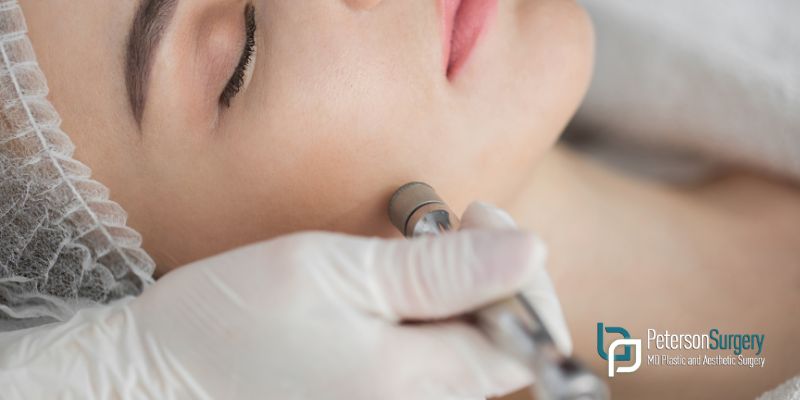
Patients can also learn about what to expect during the procedure and the healing process. Dermabrasion typically involves a controlled resurfacing process that removes the outer layers of skin using specialized instruments. As the skin heals, new skin cells develop and gradually improve surface texture.
Recovery times vary depending on the depth of treatment and the area being treated. Following post-treatment care instructions is important for supporting proper healing and achieving optimal results.
By carefully evaluating each patient’s skin and treatment goals, providers can determine whether dermabrasion is the most suitable option for improving skin texture and appearance.
FAQs
Q: WHAT SKIN CONCERNS CAN DERMABRASION TREAT?
A: Dermabrasion is commonly used to improve acne scars, uneven skin texture, sun damage, and certain superficial wrinkles. The treatment removes damaged skin layers and allows healthier skin to regenerate.
Q: IS DERMABRASION SUITABLE FOR ALL SKIN TYPES?
A: Dermabrasion can be effective for many individuals, but skin tone and skin sensitivity must be carefully evaluated before treatment. A consultation helps determine whether dermabrasion or another resurfacing treatment is the safest option.
Q: HOW LONG DOES IT TAKE TO SEE RESULTS FROM DERMABRASION?
A: Skin improvement develops gradually as the treated area heals and new skin forms. Most patients begin noticing smoother skin texture as healing progresses over the following weeks.
.jpg "Laser Skin Resurfacing vs Dermabrasion: Which Skin Rejuvenation Treatment Is Right for You Overall?")
.jpg "The Best Skin Treatments for Sun Damage, Wrinkles, and Acne Scars")
.jpg "Plastic Surgery vs Cosmetic Surgery: What's the Difference?")