
EYELID SURGERY BASICS
Blepharoplasty and eyelid surgery are often treated as different terms, but in most cosmetic surgery discussions they refer to the same general procedure. Blepharoplasty is the medical name for surgery performed on the upper eyelids, lower eyelids, or both. The goal is to improve the contour of the eye area by addressing concerns such as excess skin, prominent fat pockets, puffiness, or heaviness. In some cases, the procedure may also have a functional purpose when loose upper eyelid skin interferes with a person’s field of vision.
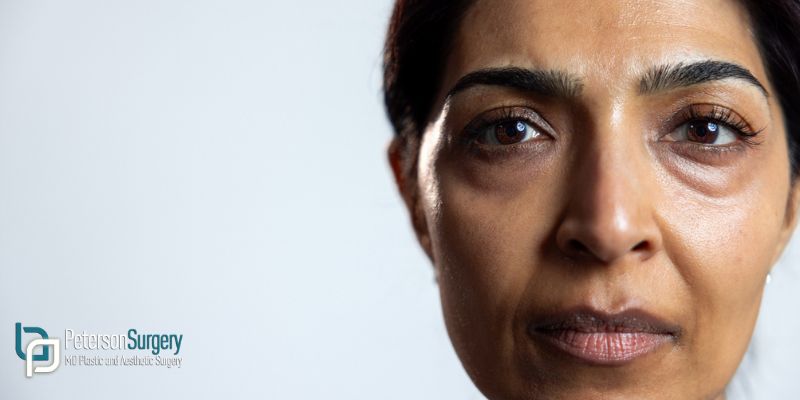
The eyelid area is one of the first parts of the face to show visible signs of aging. Some people develop folds of skin on the upper eyelids, while others notice under-eye bags or lower eyelid fullness. Genetics can also influence these concerns, so they are not limited to older adults.
Common concerns include:
- Heaviness
- Puffiness
- Bags
- Skin
- Asymmetry
During eyelid surgery, a plastic surgeon carefully evaluates which tissues are contributing to the patient’s concerns. Depending on the treatment plan, excess skin may be removed and fat may be removed or repositioned. The surgeon may also adjust supporting tissues to create a smoother transition between the eyelids and surrounding facial structures. The objective is generally not to change a person’s identity or eye shape dramatically. Instead, surgery is planned to create a more rested and balanced appearance while preserving natural facial characteristics.
Upper and lower blepharoplasty are related procedures, but they address different areas. Upper eyelid surgery typically focuses on loose or drooping skin above the eyes. Lower eyelid surgery is more commonly used to improve under-eye bags, excess lower eyelid skin, or contour irregularities beneath the eyes. Some patients benefit from treating only one area, while others may be candidates for combined upper and lower surgery.
A consultation is important because not every concern around the eyes is caused by the eyelids themselves. A low eyebrow position, for example, can contribute to heaviness above the eyes. Fine lines, pigmentation, and skin texture may also require treatments other than surgery. A complete facial assessment helps determine whether blepharoplasty is appropriate and whether another procedure or treatment should be considered.
UPPER VS LOWER
Although the term blepharoplasty describes eyelid surgery in general, the procedure is highly individualized. The surgical plan depends on where the concern is located, the quality of the skin, the amount and position of fat, and the patient’s overall facial anatomy. Understanding the differences between upper and lower treatment can help patients have more informed conversations during their consultation.
Upper blepharoplasty is commonly considered by people who have excess skin folding over the natural eyelid crease. This can create a heavy appearance and may make applying eye makeup more difficult. In more significant cases, loose skin can extend far enough to affect peripheral vision. During upper eyelid surgery, the surgeon makes carefully planned incisions within the natural eyelid crease. Excess skin is removed conservatively, and fat may be adjusted when necessary. Incision placement is designed to allow the resulting scar to blend into the eyelid fold as healing progresses.
Lower blepharoplasty addresses a different set of concerns. Under-eye bags can develop when fat behind the lower eyelid becomes more prominent or shifts forward. Changes in the skin and supporting tissues can also make the transition between the lower eyelid and cheek appear less smooth. Depending on the patient, surgery may involve removing a small amount of fat, repositioning fat, tightening tissue, or removing excess skin.
An internal incision may be appropriate when fat is the primary concern and significant skin removal is not required. An external incision provides access when skin tightening or additional tissue adjustment is needed.
Potential treatment areas include:
- Upper
- Lower
- Skin
- Fat
- Contour
Some patients ask whether treating both upper and lower eyelids at the same time is necessary. There is no universal answer. A patient with upper eyelid heaviness but little under-eye fullness may only need upper blepharoplasty. Another person may have concerns in both areas and choose a combined procedure. The surgeon considers facial balance as well as the patient’s priorities when making recommendations.
It is also important to understand that blepharoplasty does not address every age-related change around the eyes. Crow’s feet, dark circles caused by pigmentation, eyebrow descent, and deeper facial volume changes may remain after surgery. Some patients may benefit from complementary procedures or non-surgical treatments, but these should be recommended only after an individualized assessment.
The most successful results usually come from careful planning and realistic expectations. Removing too much tissue can create an unnatural or hollow appearance, which is why conservative surgical judgement is important. The goal is to refine the eyelid area without making it look overcorrected.
PLANNING FOR YOUR EYELID RECOVERY
A consultation for eyelid surgery gives the patient and surgeon an opportunity to discuss concerns, goals, medical history, and expectations. The surgeon will examine the upper and lower eyelids, assess skin quality, review eyebrow position, and look at the relationship between the eyelids and surrounding facial features. Photographs may also be taken as part of the assessment and surgical planning process.
Medical history is particularly important when considering surgery around the eyes. Patients should discuss previous eye conditions, dry eye symptoms, vision concerns, medications, smoking, previous facial surgery, and any medical conditions that may affect healing. The surgeon may recommend additional evaluation when there are functional vision concerns or significant eye-related symptoms.
Important consultation topics include:
* Goals
* Health
* Medications
* Vision
* Recovery
The recovery period varies depending on whether the upper eyelids, lower eyelids, or both are treated. Swelling and bruising are common during the early stages of healing. Patients may also experience temporary tightness, irritation, watering, or sensitivity around the eyes. These effects usually improve gradually as the tissues settle.
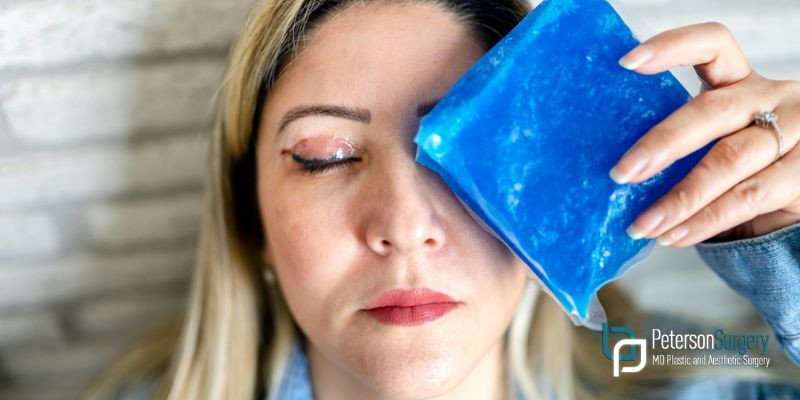
Following postoperative instructions is an important part of recovery. Patients may be advised to use cold compresses, keep the head elevated, avoid strenuous activity, and protect the eyes from sun exposure during the early healing period. Prescription or over-the-counter medications may be recommended based on the surgeon’s instructions. Contact lenses and eye makeup may need to be avoided temporarily.
Incisions typically become less noticeable over time, but healing is gradual. Swelling may resolve before the final eyelid contour is fully visible. Patients should expect the appearance to continue improving as tissues soften and scars mature. Individual healing timelines vary, so follow-up appointments allow the surgeon to monitor progress and answer questions.
As with any surgery, blepharoplasty has potential risks. These can include bleeding, infection, scarring, asymmetry, dry eye symptoms, difficulty closing the eyes, changes in eyelid position, or the need for revision. Serious complications are uncommon but possible. A qualified plastic surgeon should explain the potential benefits and risks so the patient can make an informed decision.
Blepharoplasty and eyelid surgery are generally two names for the same type of procedure, but the details can vary considerably from one patient to another. The appropriate approach depends on anatomy, health, and personal goals.
Patients considering eyelid surgery should focus less on the terminology and more on understanding what the proposed procedure will address. A personalized consultation can clarify whether upper blepharoplasty, lower blepharoplasty, combined treatment, or another approach is best suited to the concern. Careful planning helps support natural-looking results that complement the rest of the face.
FAQ's:
Q: Is blepharoplasty the same as eyelid surgery?
A: Yes. Blepharoplasty is the medical term commonly used for eyelid surgery. The procedure may involve the upper eyelids, lower eyelids, or both, depending on the patient’s concerns. Although the terms are often used interchangeably, the exact surgical technique varies according to individual anatomy and treatment goals.
Q: What concerns can eyelid surgery address?
A: Eyelid surgery may address excess upper eyelid skin, heaviness, under-eye bags, puffiness, and certain contour concerns around the eyes. In some cases, upper eyelid skin may also affect peripheral vision. A consultation is needed to determine whether blepharoplasty is appropriate for the specific concern.
Q: How do I know if I need upper or lower blepharoplasty?
A: The appropriate procedure depends on where your concerns are located. Upper blepharoplasty typically addresses loose or heavy skin above the eyes, while lower blepharoplasty focuses more on under-eye bags, excess skin, and lower eyelid contour. A plastic surgeon can evaluate your eyelid anatomy and recommend the most suitable approach
.jpg "Facelift vs Mini Facelift: Which Procedure Is Right for You?")