Aging Changes Become More Noticeable
One of the most common reasons people begin considering facial surgery is visible facial aging that becomes increasingly difficult to manage with non-surgical treatments alone. Aging affects the skin, connective tissues, facial fat, and underlying facial structure over time. As collagen production decreases and skin elasticity weakens, the face may gradually lose firmness, contour, and definition.
Many individuals first notice these changes around the eyes, jawline, and neck. Excess skin around the eyelids may create a tired or heavy appearance, while puffiness beneath the eyes can make the face appear fatigued even after proper rest. At the same time, the jawline may begin losing definition as loose skin and soft tissue changes become more noticeable throughout the lower face.
Deep wrinkles and folds may also become more pronounced over time. While skincare products and injectable treatments may temporarily improve certain concerns, they may eventually provide less noticeable results for moderate or advanced aging changes. Some patients begin feeling frustrated with repeated maintenance appointments that no longer create the level of improvement they want.
Common signs aging changes may indicate it is time to consider facial surgery include:
- Noticeable sagging around the cheeks, jawline, or neck
- Loose skin that affects facial definition
- Deep facial folds or wrinkles that persist over time
- Excess skin or puffiness around the eyes
- Limited improvement from non-surgical treatments
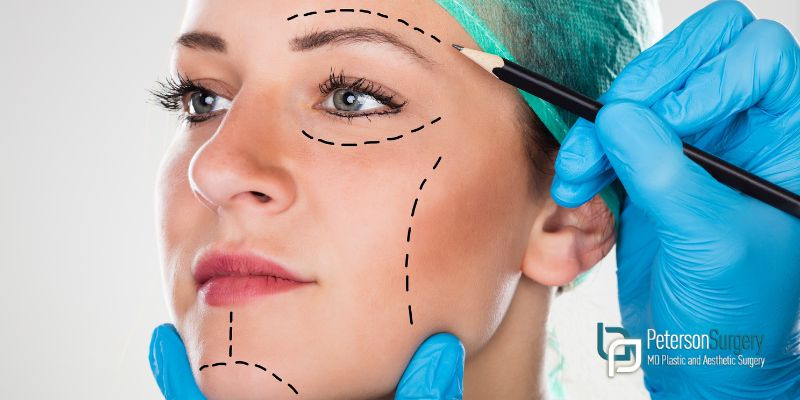
Facial surgery procedures such as facelifts, neck lifts, and eyelid surgery are commonly used to improve these concerns by addressing deeper structural changes rather than only surface-level appearance. Modern techniques often focus on repositioning facial tissues in a way that maintains natural movement and facial expression.
For many people, the decision to consider facial surgery is not necessarily about trying to look dramatically younger. Instead, patients often want their appearance to better reflect how healthy, energetic, or confident they still feel internally. Looking constantly tired, stressed, or older than expected can gradually affect self-confidence during social interactions, professional settings, or photographs.
Long-Term Concerns About Facial Features
Facial surgery is not always related to aging. Many individuals consider surgical procedures because they have felt unhappy with specific facial features for years. Concerns involving the nose, chin, cheeks, jawline, or overall facial balance can affect confidence and self-image long before aging changes become significant.
Some patients feel that one feature draws too much attention or appears out of proportion with the rest of the face. Others may notice asymmetry or profile concerns that become increasingly noticeable in photographs or video calls. While mild asymmetry is completely normal, more visible imbalance may affect how comfortable someone feels with their appearance.
Social media, high-definition photography, and video communication have also increased awareness of facial details for many people. Patients who regularly avoid certain camera angles, heavily edit photos, or focus constantly on specific facial features may eventually begin considering whether surgical treatment could improve confidence and facial harmony.
Common signs long-term cosmetic concerns may indicate it is time to explore facial surgery include:
- Persistent dissatisfaction with a facial feature
- Increased self-consciousness in photos or videos
- Avoiding certain angles or social situations
- Concerns about facial balance or asymmetry
- Feeling that a feature affects overall confidence
Procedures designed to improve facial harmony vary depending on the patient’s concerns and anatomy. Rhinoplasty may help refine nasal shape or proportion, while chin enhancement procedures may improve facial profile balance. Facial contouring procedures may also improve cheek definition, jawline structure, or overall symmetry.
Modern facial surgery planning generally prioritizes subtle and balanced improvement rather than dramatic transformation. Most patients are not looking to completely change their identity. Instead, they usually want to feel more comfortable and confident while still looking like themselves. Personalized treatment planning plays an important role in helping support realistic expectations and natural-looking outcomes.
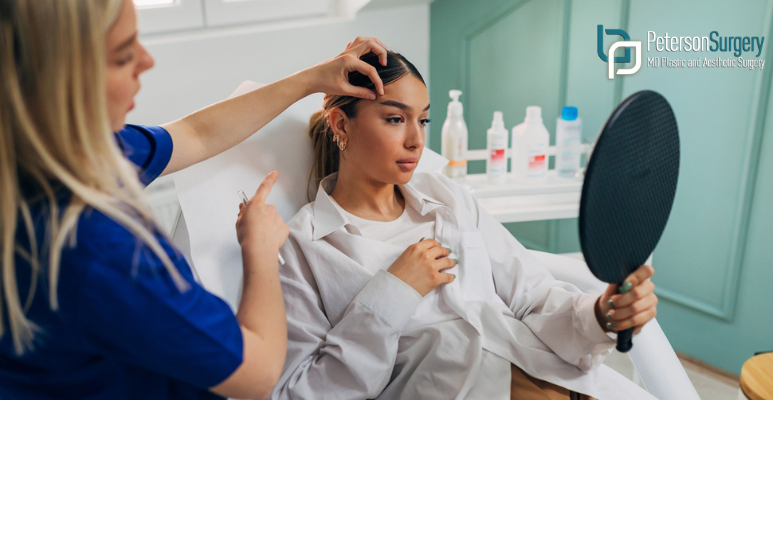
A consultation is often an important step for patients who have spent years thinking about cosmetic concerns. Discussing goals openly with a qualified provider can help individuals better understand which concerns may realistically improve through surgery and what treatment options may align with their expectations.
Non-Surgical Treatments No Longer Feel Effective
Another common sign it may be time to consider facial surgery is frustration with temporary cosmetic treatments that no longer provide satisfying results. Many patients begin their cosmetic journey with non-surgical procedures such as injectables, laser treatments, skin tightening procedures, or medical-grade skincare products. These treatments can often provide meaningful improvement for early signs of aging or mild cosmetic concerns.
However, non-surgical procedures have limitations. While they may improve skin texture, soften wrinkles, or create subtle lifting effects, they cannot fully reposition deeper facial tissues or remove significant excess skin. As facial aging progresses, some patients begin noticing that temporary treatments require more maintenance while producing smaller improvements over time.
In some situations, individuals begin feeling caught in a cycle of repeated appointments and short-term maintenance without achieving the level of correction they truly want. This often becomes a major reason people start researching longer-lasting surgical options that may more effectively address deeper structural concerns.
Common signs non-surgical treatments may no longer feel enough include:
- Repeated cosmetic treatments with minimal improvement
- Temporary results that fade quickly
- Increasing frustration with maintenance appointments
- Concerns involving loose skin or facial heaviness
- Desire for longer-lasting improvement
Facial surgery may provide more comprehensive correction for moderate to advanced concerns involving skin laxity, tissue descent, or facial contour changes. Surgical procedures can reposition underlying facial structures and improve contours in ways that non-surgical treatments cannot fully replicate.
It is also important to understand that modern facial surgery techniques are often much more subtle than many patients expect. Some individuals delay consultations because they worry about looking unnatural or dramatically different after surgery. However, current approaches generally focus on refinement, balance, and rejuvenation while preserving normal facial expression and movement.
Choosing facial surgery does not mean someone has failed with non-surgical options. In many cases, patients simply reach a stage where their concerns have progressed beyond what conservative treatments are designed to improve. Both surgical and non-surgical treatments can play valuable roles depending on the severity of concerns and the patient’s long-term goals.
Recognizing the signs that it may be time to consider facial surgery can help patients make more informed and confident decisions about their appearance goals. Concerns involving facial aging, skin laxity, facial imbalance, or long-term dissatisfaction with certain features often lead individuals to begin exploring cosmetic treatment options. While non-surgical procedures may help improve mild concerns temporarily, some patients eventually seek more comprehensive and longer-lasting results through facial surgery. Modern surgical techniques are designed to support natural-looking outcomes while preserving facial harmony and individual characteristics. Every patient has unique goals, anatomy, and expectations, which is why personalized evaluations remain an important part of the treatment process. If you are interested in learning more about facial rejuvenation or enhancement procedures, contact us to discuss personalized Kelowna facial surgery treatment options.
FAQ’s
Q: HOW DO I KNOW IF FACIAL SURGERY IS RIGHT FOR ME?
A: Facial surgery may be worth considering if cosmetic concerns are affecting your confidence or if non-surgical treatments are no longer producing the results you want. Many patients explore surgery after noticing loose skin, changes around the eyes, loss of facial definition, or long-term dissatisfaction with certain facial features. A consultation can help determine whether surgical treatment aligns with your goals and expectations.
Q: CAN FACIAL SURGERY LOOK NATURAL?
A: Modern facial surgery techniques are designed to create balanced and natural-looking improvements rather than dramatic changes. Most patients want to look refreshed and more confident without appearing completely different. Personalized treatment planning and modern surgical approaches help support subtle outcomes that complement the patient’s existing facial structure.
Q: WHAT PROCEDURES ARE COMMONLY INCLUDED IN FACIAL SURGERY?
A: Facial surgery can include a wide range of procedures depending on the patient’s concerns and goals. Common treatments may include facelifts, neck lifts, eyelid surgery, facial contouring procedures, rhinoplasty, and chin enhancement surgery. Recommendations are typically based on facial anatomy, aging patterns, and desired outcomes discussed during a consultation.