
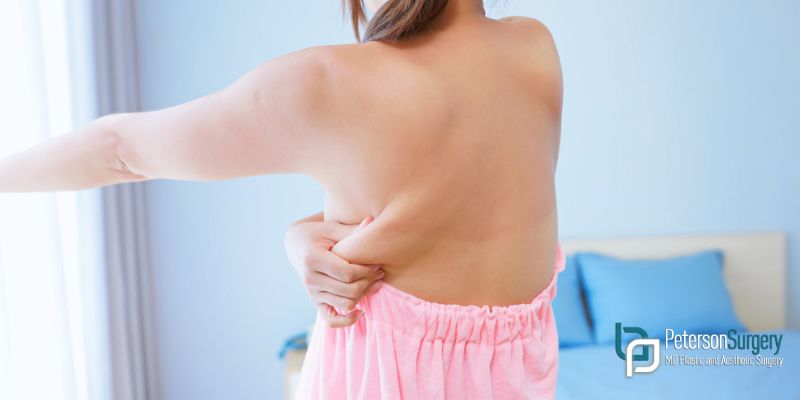
BODY SCULPTING AND WHAT IT CAN ADDRESS
Body sculpting is a broad term used for cosmetic procedures that reshape specific areas of the body by addressing localized fat, loose skin, or changes in body contour. These treatments are not designed to replace healthy nutrition, regular activity, or weight management. Instead, they are usually considered when someone is close to a stable weight but still has areas that do not respond the way they would like to lifestyle changes alone.
Different procedures can fall under the body sculpting category. Liposuction focuses on removing targeted fat deposits, while procedures such as a tummy tuck, arm lift, or thigh lift may remove excess skin and improve the shape of the treated area. In some cases, a patient may benefit from combining more than one approach when both fat and loose skin are contributing to the concern.
Common treatment areas include the abdomen, waist, hips, thighs, upper arms, back, and beneath the chin. The right procedure depends on what is causing the contour issue. A patient with good skin elasticity and a small pocket of resistant fat may have different needs than someone with stretched skin after pregnancy or substantial weight loss.
Body sculpting can help create smoother transitions between areas of the body and improve overall proportion. The goal is usually refinement rather than dramatic weight reduction. A surgeon evaluates how fat is distributed, how the skin responds when stretched, whether there is muscle separation, and how the area fits with the rest of the patient's natural proportions.
Several factors can influence body shape, including:
- Genetics
- Aging
- Pregnancy
- Weight
- Elasticity
- Lifestyle
Genetics can affect where the body stores fat, which is why two people at a similar weight may have very different proportions. Aging can gradually reduce skin elasticity and change fat distribution. Pregnancy can stretch abdominal tissues and skin, while significant weight loss may leave folds or areas of loose tissue that do not contract fully.
Because these concerns have different causes, body sculpting is not a single treatment. The best approach depends on whether the main issue is excess fat, loose skin, weakened underlying tissue, or a combination of concerns. A consultation helps identify what can realistically be improved and which procedure is most appropriate.
FACTORS THAT MAKES GOOD CANDIDATES
A good candidate for body sculpting is generally someone who has a specific concern that can be improved through contouring and who is in good enough health to undergo the recommended procedure. Candidates are often already near a comfortable, maintainable weight and are looking to address localized areas rather than achieve major overall weight loss through surgery.
Weight stability matters because substantial changes after surgery can alter results. Significant weight gain can create new fat deposits and stretch the skin, while major weight loss can lead to additional looseness. Patients who have recently completed a large weight-loss journey may be advised to maintain their weight for a period before considering surgery so their body has time to stabilize.
Skin quality is another important factor. Liposuction removes fat but does not directly remove large amounts of loose skin. Patients with good elasticity may see the skin contract more effectively after fat reduction. When skin has been significantly stretched or has lost elasticity, a procedure that removes excess tissue may provide a more appropriate result.
Overall health also plays an important role in candidacy. A plastic surgeon reviews medical history, medications, previous operations, allergies, and any conditions that could affect anesthesia, circulation, bleeding, or healing. Patients should be open about their health history so the surgical team can evaluate risk and plan treatment safely.
Good candidates often demonstrate:
- Stability
- Health
- Patience
- Commitment
- Expectations
- Goals
Nicotine use is especially important to discuss because nicotine can restrict blood flow and interfere with wound healing. Depending on the procedure, patients may be asked to stop smoking, vaping, or using other nicotine products before and after surgery. Following these instructions can be an important part of reducing avoidable complications.
A patient's expectations matter just as much as physical candidacy. Final results can take time to appear because tissues need to settle and swelling gradually decreases. Someone expecting immediate perfection may be disappointed even when healing is progressing normally.
The best candidates understand that body sculpting is one part of a broader approach to maintaining their results. Balanced nutrition, regular movement, stable habits, and following postoperative instructions can support long-term outcomes. Surgery changes the contour of a treated area, but it does not prevent aging or future changes in weight.
CHOOSING THE RIGHT BODY SCULPTING PLAN
Selecting the right body sculpting procedure begins with a careful assessment of the area you want to change and the reason it looks the way it does. Two patients may both be concerned about their abdomen but require different treatment plans. One may primarily have localized fat, while another may have loose skin, muscle separation, or several concerns at the same time.
Liposuction may be considered when the main concern is a stubborn fat deposit and the skin has enough elasticity to adapt to the new contour. It can be used on several areas of the body and is intended to refine shape rather than provide substantial weight loss. The amount of fat that can be removed safely depends on the patient's health, anatomy, and treatment plan.
When excess skin is the primary issue, a lifting or excisional procedure may be more appropriate. A tummy tuck can address loose abdominal skin and may also repair separated abdominal muscles when appropriate. Arm lifts and thigh lifts can remove excess tissue in those regions. These procedures involve different scar patterns and recovery requirements, which should be discussed before surgery.
A personalized surgical plan considers several details, including the patient's proportions, skin quality, medical history, scar tolerance, lifestyle, and desired level of change. During consultation, patients should explain what bothers them most and what they hope will look different after treatment. Photos can sometimes help communicate goals, but they should be used as references rather than promises of identical results.
Recovery is another part of treatment planning. Patients may need compression garments, temporary activity restrictions, incision care, and follow-up appointments. Swelling can temporarily make the treated area appear larger or less defined, so patience is important. The timeline for returning to work, driving, exercise, and normal routines varies according to the procedure and how the individual heals.
Patients should ask about:
- Procedure
- Scarring
- Recovery
- Risks
- Results
- Maintenance
Understanding potential risks is essential before deciding on surgery. Every procedure has possible complications, and these vary depending on the treatment being performed. A qualified plastic surgeon can explain the risks that are most relevant to the patient's health and chosen procedure, along with steps used to reduce them.
Body sculpting should ultimately be tailored to the person rather than chosen based on trends or what worked for someone else. The most suitable procedure is the one that addresses the actual anatomical concern while balancing safety, recovery, scarring, and realistic goals.
A consultation provides the opportunity to review these factors in detail. Your surgeon can examine the areas you would like to improve, discuss available options, explain expected recovery, and determine whether body sculpting is appropriate for you. A thoughtful, individualized plan can help create natural-looking changes that complement your proportions and align with your goals.
FAQ's
Q: WHAT IS BODY SCULPTING USED FOR?
A: Body sculpting is used to improve the shape and proportions of specific areas by addressing localized fat, loose skin, or other contour concerns.
Q: IS BODY SCULPTING A WEIGHT-LOSS PROCEDURE?
A: No. Body sculpting is generally intended for contouring rather than significant weight loss and is often best suited to patients near a stable weight.
Q: HOW DO I KNOW IF I AM A GOOD CANDIDATE FOR BODY SCULPTING?
A: A consultation with a plastic surgeon can assess your health, skin quality, anatomy, and goals to determine whether body sculpting is appropriate for you
.jpg "Laser Skin Resurfacing vs Dermabrasion: Which Skin Rejuvenation Treatment Is Right for You Overall?")
.jpg "The Best Skin Treatments for Sun Damage, Wrinkles, and Acne Scars")
.jpg "Plastic Surgery vs Cosmetic Surgery: What's the Difference?")