
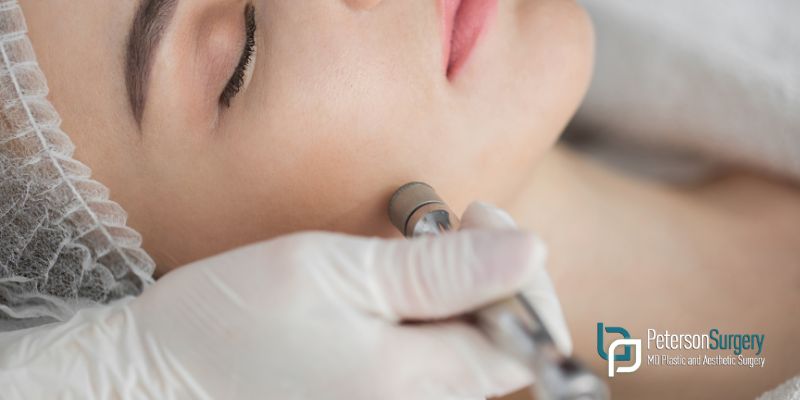
Treatment Basics
Dermabrasion is a non-surgical skin resurfacing procedure that targets the outer layers of the skin to improve overall texture and appearance. It is commonly used to treat concerns such as fine lines, uneven skin tone, acne scars, and sun damage. By addressing these surface-level imperfections, the treatment helps create a smoother, more refined complexion.
The treatment works by using a specialized device to gently exfoliate and remove the top layers of skin. This controlled process stimulates the body’s natural healing response, encouraging the production of new skin cells and collagen. As the skin heals, it becomes smoother, more even, and refreshed, with a noticeable improvement in tone and texture.
One of the key benefits of dermabrasion is its ability to address surface-level imperfections while also promoting deeper skin renewal. By removing damaged outer layers, the treatment helps reveal healthier skin underneath. Over time, this process can lead to a more balanced and consistent skin appearance.
Dermabrasion is often performed on areas such as:
- Face
- Cheeks
- Forehead
- Chin
These areas tend to show signs of texture irregularities more clearly, making them ideal for resurfacing treatments. The approach can be adjusted depending on the specific concerns being treated and the overall condition of the skin.
The depth and intensity of the treatment can vary depending on the individual’s skin type and goals. Some treatments are more superficial, while others may be deeper to address more noticeable concerns. This flexibility allows dermabrasion to be tailored to each patient, ensuring a more personalized outcome.
It is important to note that dermabrasion is different from lighter exfoliation treatments. It is a more targeted approach designed to create meaningful improvement in skin texture rather than temporary surface smoothing. While lighter treatments may offer short-term results, dermabrasion focuses on deeper renewal.
For many patients, dermabrasion is chosen as a way to achieve a more refined and even complexion without undergoing invasive procedures. It provides a balance between noticeable results and a non-surgical approach, making it a popular option for skin rejuvenation.
Dermabrasion Process
Understanding what happens during a dermabrasion session can help reduce uncertainty and make the experience more comfortable. Knowing what to expect allows patients to approach the treatment with greater confidence and realistic expectations.
Before the treatment begins, the skin is typically cleansed to remove any oils or impurities. This step ensures that the surface is prepared properly and allows the device to work more effectively. Depending on the depth of the procedure, a numbing agent may be applied to help minimize discomfort.
During the treatment, a specialized device is used to gently exfoliate the outer layers of the skin. The practitioner carefully moves the device across the treatment area, ensuring even coverage and controlled removal of damaged skin. Precision is important to maintain consistency and avoid over-treatment in any one area.
Patients may feel:
- Mild pressure
- A scraping or brushing sensation
- Slight warmth or sensitivity
The intensity of these sensations depends on the depth of the treatment and the sensitivity of the skin. Most sessions are well tolerated, especially when appropriate numbing is used. Any discomfort is typically manageable and temporary.
The duration of the procedure can vary, but many treatments are completed within a relatively short period of time. Smaller areas may take less time, while more extensive treatments may require a longer session to ensure thorough coverage.
Once finished, the skin may appear slightly red and feel sensitive, similar to a mild sunburn. This is a normal response and indicates that the skin has been stimulated and is beginning the healing process.
After the treatment, a soothing product may be applied to help calm the skin and support the initial healing process. Patients are usually given specific aftercare instructions to follow at home to protect the skin and promote proper recovery.
These may include:
- Keeping the skin clean
- Avoiding direct sun exposure
- Using gentle skincare products
- Allowing the skin to heal naturally
Following these guidelines helps reduce irritation and supports optimal results. Proper aftercare plays an important role in ensuring that the skin heals smoothly and evenly.
While the procedure itself is straightforward, the focus is on precision and control to ensure the skin is treated safely and effectively. A consistent technique helps achieve balanced results and minimizes the risk of uneven texture.
Recovery and Results
Recovery is an important part of the dermabrasion process, as it directly impacts the final outcome. After treatment, the skin begins a natural healing cycle that leads to improved texture and appearance over time.
In the first few days, it is common to experience:
- Redness
- Sensitivity
- Mild swelling
These effects are temporary and typically improve as the skin begins to regenerate. The treated area may feel tight or slightly tender during this time, which is a normal part of the healing process.
As healing progresses, the outer layer of skin gradually renews itself. This process can take several days to a couple of weeks, depending on the depth of the treatment. During this time, the skin may appear slightly dry or flaky as new cells replace the old surface.
During recovery, it is important to:
- Protect the skin from sun exposure
- Avoid harsh or active skincare products
- Keep the skin hydrated
- Follow all aftercare instructions
These steps help ensure proper healing and reduce the risk of irritation. Protecting the skin from environmental factors is especially important, as newly treated skin can be more sensitive.
Results from dermabrasion develop gradually. As the skin heals, patients often notice:
- Smoother texture
- More even skin tone
- Reduction in fine lines
- Improved overall appearance
These improvements become more noticeable as the skin continues to renew itself. The process is gradual, allowing for natural-looking results that develop over time rather than appearing suddenly.
The full results become more visible once the skin has completely healed and settled. This can take several weeks, as new skin cells continue to develop and collagen production increases. Patience during this phase is important to allow the skin to fully recover.
The longevity of results depends on factors such as skin type, lifestyle, and skincare routine. Maintaining healthy habits and protecting the skin from sun damage can help preserve improvements over time. Consistent care supports long-term skin quality.
It is also important to have realistic expectations. Dermabrasion improves skin quality but does not completely eliminate all imperfections. The goal is to achieve a natural, refreshed appearance that enhances overall skin clarity.
For many patients, dermabrasion provides a noticeable improvement in skin texture and clarity. When performed appropriately and followed by proper care, it can be an effective option for enhancing overall skin quality and achieving a smoother, more even complexion
FAQ's
Q: IS DERMABRASION PAINFUL?
A: Most patients experience mild discomfort, but numbing agents are typically used to keep the procedure comfortable.
Q: HOW LONG DOES DERMABRASION RECOVERY TAKE?
A: Initial healing usually takes several days to a couple of weeks, depending on the depth of the treatment.
Q: WHEN WILL I SEE RESULTS AFTER DERMABRASION?
A: Results develop gradually as the skin heals, with noticeable improvement over several weeks.
.jpg "Laser Skin Resurfacing vs Dermabrasion: Which Skin Rejuvenation Treatment Is Right for You Overall?")
.jpg "The Best Skin Treatments for Sun Damage, Wrinkles, and Acne Scars")
.jpg "Plastic Surgery vs Cosmetic Surgery: What's the Difference?")