
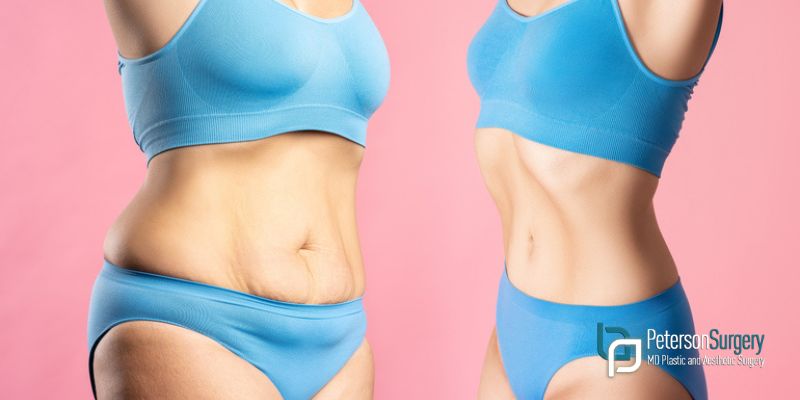
Why Skin Loosens After Weight Loss
Losing a significant amount of weight is a major achievement, but it often brings changes that extend beyond fat loss. One of the most common concerns after weight loss is the presence of excess or loose skin. This occurs because the skin stretches over time to accommodate increased body size and does not always fully contract after weight is reduced.
Skin elasticity plays a key role in how the body adapts after weight loss. Factors such as age, genetics, and the amount of weight lost can influence how well the skin retracts. In many cases, especially after substantial or rapid weight loss, the skin may not return to its previous firmness.
Areas most commonly affected include:
- Abdomen
- Arms
- Thighs
- Chest
- Lower back
In addition to affecting appearance, excess skin can also create practical concerns. These may include discomfort, irritation, or difficulty finding properly fitting clothing. For some individuals, these challenges can impact confidence, even after achieving their weight loss goals.
It is important to understand that excess skin is not a reflection of poor results. Rather, it is a natural outcome of significant body changes. While lifestyle factors such as exercise can improve muscle tone, they do not eliminate excess skin. This is why body contouring procedures are often considered as a next step.
Body contouring focuses on removing excess tissue and reshaping the body to better reflect the underlying results of weight loss. The goal is not to change the body entirely, but to refine its shape and improve overall balance.
Improvement on Shape and Proportion
Body contouring procedures are designed to address the areas most affected by loose skin and changes in body composition. Rather than focusing on weight loss, these procedures aim to improve shape, definition, and proportion.
Depending on individual goals, body contouring may target one or multiple areas. Common procedures include:
- Abdominoplasty (Tummy Tuck)
Removes excess skin from the abdomen and tightens underlying tissues, creating a flatter and more defined midsection.
- Arm Lift
Addresses loose skin along the upper arms, improving contour and proportion.
- Thigh Lift
Removes excess skin from the inner or outer thighs, helping create smoother leg contours.
- Lower Body Lift
Targets multiple areas, including the abdomen, hips, and lower back, for more comprehensive contouring.
Each procedure is tailored to the individual’s anatomy and goals. In some cases, multiple procedures may be combined to achieve more balanced results. The approach depends on factors such as skin quality, the amount of excess tissue, and overall health.
The results of body contouring are focused on:
- Removing excess skin
- Improving body proportions
- Creating smoother, more defined contours
An important aspect of body contouring is maintaining a natural appearance. The goal is not to create an overly tight or artificial look, but to enhance the body’s existing shape. This ensures that results appear balanced and consistent with the rest of the body.
Patients often notice that clothing fits better and that their overall silhouette appears more refined. These changes can help align physical appearance with the effort invested in weight loss.
It is also important to note that body contouring is not a substitute for weight loss. The best candidates are individuals who have reached a stable weight and are looking to address the remaining effects of excess skin.
Overview on Treatment and Recovery
Understanding the treatment process and recovery timeline helps patients prepare for body contouring procedures. While each treatment plan is unique, there are common elements that most patients can expect.
The procedure itself involves removing excess skin and reshaping the underlying tissues. Depending on the areas treated, this may be performed as a single procedure or as part of a staged approach. The goal is to achieve a balanced result while allowing the body adequate time to heal.
After surgery, it is normal to experience:
- Swelling
- Bruising
- Temporary discomfort
These effects are part of the healing process and gradually improve over time. Compression garments are often recommended to support healing, reduce swelling, and help maintain contour.
Recovery timelines vary depending on the extent of treatment. Most patients are able to return to light activities within a few weeks, while full recovery may take longer as the body continues to heal and adjust.
As healing progresses, results become more visible. Patients often notice:
- Smoother body contours
- Improved proportion between areas
- Reduction in loose or sagging skin
Final results develop gradually as swelling subsides and tissues settle. This process can take several weeks or months, depending on the individual and the procedures performed.
Long-term outcomes depend on maintaining a stable weight and healthy lifestyle. While excess skin is removed permanently, future weight fluctuations can affect results. Consistency in lifestyle helps preserve the improvements achieved through treatment.
It is also important to have realistic expectations. Body contouring enhances the results of weight loss but does not create perfection. The most successful outcomes are those that look natural and align with the individual’s overall body structure.
Ideal candidates are typically those who:
- Have reached a stable weight
- Have noticeable excess skin
- Are in good overall health
- Have clear and realistic goals
When performed appropriately, body contouring can be an effective final step in the weight loss journey. It helps refine the body’s shape, improve comfort, and create a more balanced appearance that reflects the progress already achieved
FAQ's
Q: WHEN SHOULD I CONSIDER BODY CONTOURING AFTER WEIGHT LOSS?
A: Body contouring is typically recommended once your weight has stabilized and you are no longer actively losing weight.
Q: CAN EXERCISE REMOVE LOOSE SKIN AFTER WEIGHT LOSS?
A: Exercise can improve muscle tone but does not eliminate excess skin. Body contouring procedures are often needed to address this.
Q: ARE RESULTS FROM BODY CONTOURING PERMANENT?
A: Results are long-lasting, especially when a stable weight is maintained and a healthy lifestyle is followed.
.jpg "Laser Skin Resurfacing vs Dermabrasion: Which Skin Rejuvenation Treatment Is Right for You Overall?")
.jpg "The Best Skin Treatments for Sun Damage, Wrinkles, and Acne Scars")
.jpg "Plastic Surgery vs Cosmetic Surgery: What's the Difference?")