
SURGICAL BODY CONTOURING
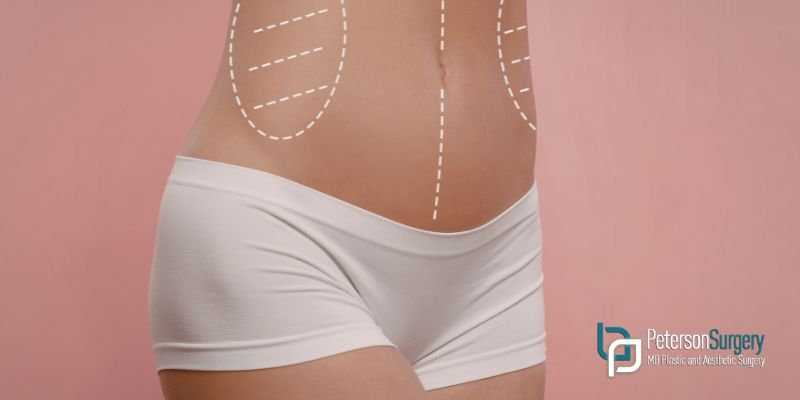
Surgical body contouring procedures are designed to create more significant and long-lasting changes to body shape. These procedures remove fat deposits, tighten loose skin, and reshape underlying structures to improve body proportions. Surgical options are often recommended for individuals who want noticeable contour improvements or who have excess skin following weight loss.
Liposuction is one of the most common surgical contouring procedures. This technique removes localized fat deposits that remain resistant to diet and exercise. Areas such as the abdomen, flanks, thighs, arms, and chin are frequently treated. By removing targeted fat deposits, liposuction can improve body contours and create a more defined shape.
Another common procedure is a tummy tuck, also known as abdominoplasty. This surgery focuses on tightening abdominal muscles while removing excess skin from the midsection. Patients who have experienced pregnancy or significant weight loss often choose this procedure to restore a firmer abdominal profile.
Surgical body contouring produces more dramatic changes because fat and excess skin are physically removed. These procedures are performed in a surgical setting and require recovery time that may range from several weeks to a few months, depending on the treatment.
Although recovery takes longer than non-surgical treatments, surgical body contouring can be the most effective option for patients seeking significant reshaping or correction of loose skin.
NON-SURGICAL CONTOURING
Non-surgical body contouring treatments have become increasingly popular for patients who want fat reduction with minimal downtime. These treatments use advanced technology to target fat cells beneath the skin without requiring surgical incisions.
Many treatments rely on cooling, heat energy, ultrasound, or radiofrequency technology to affect fat cells in a controlled way. After treatment, the body gradually processes and removes these fat cells through natural metabolic processes. Results typically develop over several weeks or months as the body responds to the treated area.
Non-surgical treatments are often best suited for individuals who are already near their ideal weight but want to address smaller pockets of stubborn fat. Common areas treated include the abdomen, flanks, thighs, and under the chin.
Because these procedures do not involve surgery, downtime is minimal. Most patients return to regular daily activities shortly after treatment. However, the changes are typically more gradual and subtle compared with surgical procedures.
Multiple sessions may be recommended depending on the treatment area and desired results. These procedures are often used for body shaping rather than significant fat removal.
CHOOSING THE RIGHT OPTION
Choosing between surgical and non-surgical body contouring depends on several factors, including treatment goals, body composition, and skin elasticity. Patients seeking more dramatic contour changes or correction of loose skin are often better suited for surgical procedures.
Individuals who want smaller improvements and shorter recovery times may benefit from non-surgical treatments that gradually reduce fat deposits. These treatments can help refine specific areas without the need for surgery.
A consultation allows a surgeon to evaluate body composition, skin quality, and treatment goals before recommending an appropriate approach. During this appointment, patients can review expected results, recovery timelines, and whether a combination of procedures may provide the best outcome.
In some cases, a treatment plan may include both approaches. Surgical procedures may address larger structural concerns, while non-surgical treatments help refine smaller areas afterward.
Understanding the differences between these options helps patients select a treatment plan that aligns with their goals and expectations.
FAQs
Q: HOW LONG DO BODY CONTOURING RESULTS LAST?
A: Results can be long-lasting when patients maintain a stable weight and a healthy lifestyle. Fat cells removed through surgical procedures do not return, although remaining fat cells can still expand if weight gain occurs.
Q: IS NON-SURGICAL BODY CONTOURING EFFECTIVE?
A: Non-surgical treatments can reduce small pockets of fat and improve body shape gradually. These treatments are most effective for patients who are close to their ideal weight but want to refine specific areas.
Q: WHO IS A GOOD CANDIDATE FOR BODY CONTOURING?
A: Good candidates are generally healthy individuals who want to improve body shape in areas that do not respond to diet and exercise. A consultation helps determine whether surgical or non-surgical treatments are the most appropriate option.

.jpg "POPULAR COSMETIC PROCEDURES PATIENTS ARE REQUESTING IN 2026 - KELOWNA PLASTIC SURGEON")