SURGICAL COSMETIC PROCEDURES
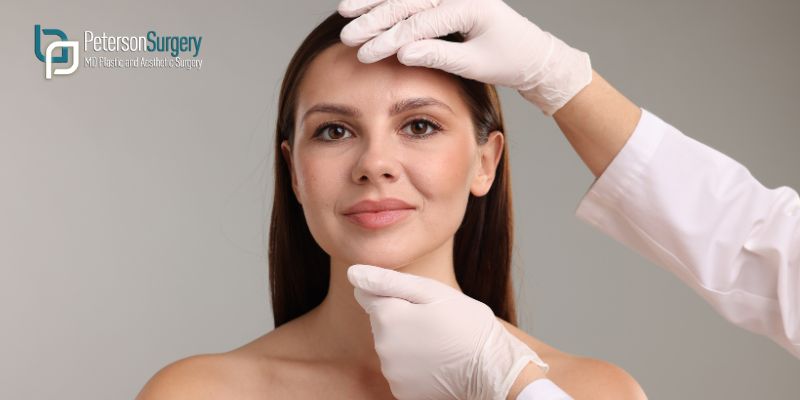
Surgical cosmetic procedures are designed to create significant and long-lasting improvements to facial features or body contours. These procedures involve making structural changes to tissues, which allows surgeons to reshape areas of the face or body in ways that non-surgical treatments cannot achieve.
Common surgical cosmetic procedures include facelift surgery, eyelid surgery, breast procedures, and body contouring treatments such as liposuction or tummy tuck surgery. These procedures are often recommended for patients who want noticeable changes or who are addressing concerns such as loose skin, deeper wrinkles, or structural changes in facial or body anatomy.
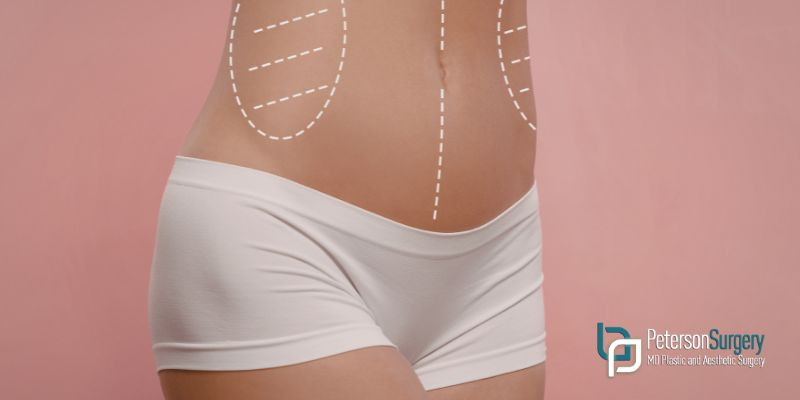
One advantage of surgical procedures is the level of transformation they can provide. For example, facelift surgery can reposition underlying facial tissues to improve sagging skin and restore more youthful facial contours. Similarly, body contouring procedures can remove excess fat and skin to reshape the abdomen or other areas of the body.
Surgical treatments are also commonly chosen by patients who have experienced significant physical changes over time. Aging, pregnancy, and weight loss can alter the shape of facial features or body contours. Surgical procedures allow surgeons to address these structural changes directly, often producing results that cannot be achieved through less invasive options.
Because surgical treatments involve incisions and tissue adjustments, recovery time is an important factor to consider. Healing periods vary depending on the procedure and the areas treated, but patients typically need several weeks before returning fully to normal activities. During recovery, swelling and bruising gradually improve as the body heals.
Although recovery may take longer than non-surgical treatments, surgical cosmetic procedures can provide the most noticeable and long-lasting improvements for patients seeking meaningful changes in appearance.
NON-SURGICAL COSMETIC TREATMENTS
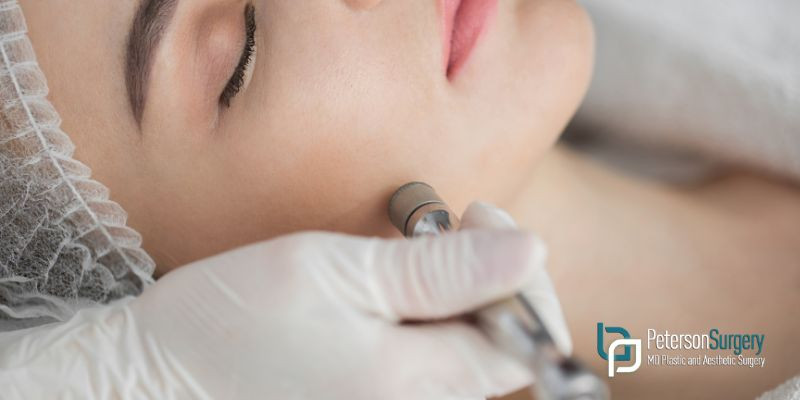
Non-surgical cosmetic treatments have become increasingly popular as patients look for ways to improve their appearance with minimal downtime. These treatments typically involve injections, energy-based devices, or skin-resurfacing procedures that target specific concerns without surgery.
Common non-surgical cosmetic treatments include injectable treatments, skin resurfacing procedures, and non-surgical body contouring technologies. These treatments are designed to improve skin quality, reduce fine lines, restore facial volume, or address small areas of unwanted fat.
Many patients choose non-surgical treatments because they allow individuals to return to normal activities shortly after the procedure. These treatments are usually performed in a clinical setting and do not require the extended recovery associated with surgery.
Another benefit of non-surgical treatments is that they can be adjusted or repeated over time. Because results develop gradually, patients can refine their appearance through multiple treatments rather than undergoing a single surgical procedure. This flexibility makes non-surgical treatments appealing for individuals who prefer a more gradual approach to cosmetic improvements.
Non-surgical procedures are also commonly used as preventative treatments. Some patients begin exploring cosmetic treatments before significant signs of aging appear. By maintaining skin quality and addressing early concerns, non-surgical options can help preserve a youthful appearance over time.
However, non-surgical treatments generally produce more subtle changes than surgical procedures. While they can improve skin texture and reduce mild signs of aging, they may not correct larger structural concerns such as significant skin laxity or excess tissue.
For patients who want modest improvements or who prefer minimal recovery time, non-surgical cosmetic treatments can be an effective option.
CHOOSING THE RIGHT OPTION
Selecting between surgical and non-surgical cosmetic treatments depends on several factors, including treatment goals, anatomy, and desired recovery timelines. Patients who want more dramatic and long-lasting changes often benefit from surgical procedures that reshape tissues and remove excess skin or fat.
Individuals seeking smaller improvements or preventative treatments may prefer non-surgical options. These treatments can help maintain skin quality and address early signs of aging without requiring surgery.
Skin elasticity, age, and overall health also influence treatment planning. Patients with good skin elasticity may achieve satisfactory improvements with non-surgical treatments, while individuals with more advanced skin laxity may require surgical procedures to achieve noticeable results.
Lifestyle considerations are also important when choosing a treatment approach. Some patients prefer procedures that involve minimal downtime so they can quickly return to work or daily responsibilities. Others may be comfortable with a longer recovery period if it means achieving more dramatic and long lasting results.
A consultation is an important step when determining which treatment may be most appropriate. During this appointment, a surgeon evaluates anatomy, skin condition, and treatment goals before recommending a personalized plan.
In some cases, combining both approaches may produce the best results. Surgical procedures may address larger structural concerns, while non-surgical treatments can refine skin texture or maintain results over time.
Understanding the differences between surgical and non-surgical cosmetic treatments helps patients make informed decisions and choose options that align with their expectations, recovery preferences, and long-term aesthetic goals.
FAQs
Q: ARE SURGICAL COSMETIC PROCEDURES PERMANENT?
A: Many surgical procedures provide long-lasting results because they reshape tissues or remove excess skin. However, natural aging continues over time, so results may gradually change in the future.
Q: ARE NON-SURGICAL COSMETIC TREATMENTS EFFECTIVE?
A: Non-surgical treatments can effectively improve skin quality, reduce fine lines, and address small cosmetic concerns. These treatments typically provide more subtle results compared with surgical procedures.
Q: HOW DO I KNOW WHICH COSMETIC TREATMENT IS RIGHT FOR ME?
A: Choosing the right treatment depends on individual goals, anatomy, and expectations. A consultation helps determine whether surgical or non-surgical options are most appropriate for achieving the desired results.
.jpg "POPULAR COSMETIC PROCEDURES PATIENTS ARE REQUESTING IN 2026 - KELOWNA PLASTIC SURGEON")