WHAT BODY CONTOURING IS
Body contouring is a category of procedures that reshape the body by addressing stubborn fat deposits, loose skin, and structural changes in tissue. Unlike general weight loss methods, body contouring focuses on improving body shape and proportion rather than reducing overall body weight.
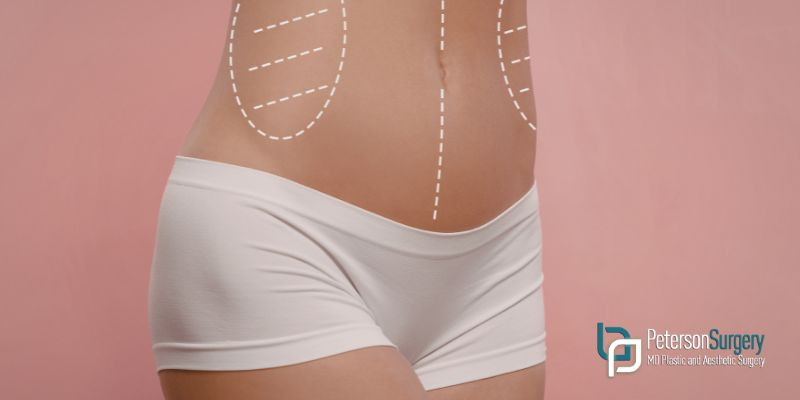
Procedures may target the abdomen, thighs, arms, back, or other areas where excess tissue or fat affects body definition. Liposuction is commonly used to remove localized fat deposits that do not respond to diet or exercise. A tummy tuck removes excess skin and tightens abdominal muscles that may have stretched due to pregnancy or weight changes.
These procedures are often combined to achieve more balanced results. For example, liposuction may be used alongside abdominoplasty to refine contours and improve definition. The goal of body contouring surgery is to create smoother lines and a more proportional body shape while maintaining natural-looking results.
Because every patient’s anatomy is different, treatment plans are individualized. Factors such as skin elasticity, fat distribution, and muscle tone influence which procedure will provide the best outcome.
WHO IT IS BEST FOR
Body contouring is typically recommended for individuals who have reached a stable weight but still struggle with areas of excess skin or stubborn fat. Many patients pursue body contouring after major weight loss when loose skin remains even after fat reduction.
Pregnancy can also cause structural changes to the abdomen. Abdominal muscles may separate and skin may stretch beyond its natural elasticity. In these cases, body contouring procedures such as a tummy tuck help restore abdominal structure and improve overall contour.
Ideal candidates are generally in good health, maintain stable weight, and have realistic expectations about surgical outcomes. Body contouring procedures are designed to enhance body shape rather than serve as a primary weight-loss method.
Patients who are close to their goal weight often see the most noticeable improvement because contour refinement becomes more visible when underlying fat levels are relatively stable.
A thorough consultation helps determine whether a patient is an appropriate candidate and whether one or multiple procedures will provide the most effective result.
PLANNING THE PROCEDURE
Planning is an important part of any cosmetic procedure. During a consultation, a cosmetic surgeon evaluates your goals, medical history, and anatomy. This evaluation helps determine which body contouring procedures will best address your concerns.
Your surgeon will explain the recommended procedure, surgical technique, expected recovery timeline, and potential risks. Understanding the recovery process is important because procedures such as tummy tuck surgery require a structured healing period and activity restrictions.
Patients are also advised on preparation steps before surgery. These may include maintaining a stable weight, avoiding nicotine products, and organizing support during the recovery period.
Body contouring results develop gradually as swelling resolves and tissues settle into their new shape. With proper recovery and long-term weight stability, results can be long-lasting and significantly improve body confidence and overall appearance.
FAQs
Q: IS BODY CONTOURING THE SAME AS WEIGHT LOSS SURGERY?
A: No. Body contouring is designed to reshape and refine body proportions rather than significantly reduce body weight.
Q: CAN BODY CONTOURING REMOVE LOOSE SKIN?
A: Yes. Procedures such as a tummy tuck are specifically designed to remove excess skin and tighten underlying abdominal tissue.
Q: HOW DO I KNOW IF BODY CONTOURING IS RIGHT FOR ME?
A: A consultation with a qualified cosmetic surgeon will evaluate your anatomy, health history, and goals to determine whether body contouring is appropriate.