YOUR GOALS AND MEDICAL HISTORY
The first part of a cosmetic surgery consultation focuses on understanding why you are seeking treatment. A qualified cosmetic surgeon will ask about your concerns, what changes you hope to achieve, and how long you have been considering surgery. Clear communication at this stage is essential because it helps shape a personalized treatment plan.
Your medical history is reviewed carefully. This includes past surgeries, medications, allergies, smoking history, and any underlying health conditions. Certain factors, such as uncontrolled medical conditions or nicotine use, can affect healing and surgical safety. Being transparent ensures that your plastic surgeon consultation is thorough and accurate.
You may also be asked about lifestyle habits, weight stability, and long-term expectations. Procedures such as breast augmentation, facelift surgery, liposuction, or a tummy tuck require stable health and realistic goals. This portion of the appointment establishes whether you are a good candidate and whether surgery aligns with your overall wellness.
PHYSICAL ASSESSMENT AND OPTIONS
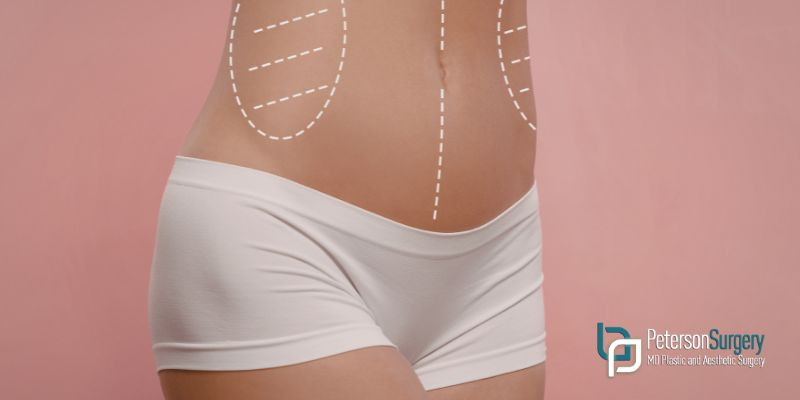
After reviewing your history and goals, the surgeon performs a focused physical assessment. This evaluation examines skin quality, tissue elasticity, muscle tone, and overall anatomy. For example, during a tummy tuck consultation, abdominal muscle separation and excess skin are assessed. During a facelift consultation, skin laxity and facial volume are evaluated.
This step helps determine which procedure will produce the most balanced result. In some cases, patients believe they need one surgery when another may better address their concerns. For example, liposuction removes localized fat but does not tighten loose skin. A detailed assessment ensures the correct recommendation is made.
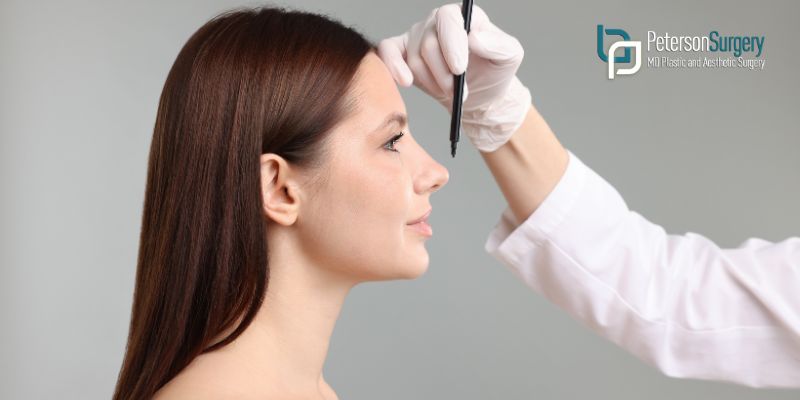
Your surgeon will then explain the proposed procedure, including surgical technique, incision placement, anesthesia type, and expected recovery timeline. Risks and potential complications are also discussed openly. A reputable plastic surgery clinic prioritizes patient education and transparency rather than making unrealistic promises.
You may review before-and-after photographs of similar cases to better understand potential outcomes. These examples help set realistic expectations and provide insight into the surgeon’s aesthetic approach.
QUESTIONS AND NEXT STEPS
The final portion of your consultation is dedicated to questions and planning. This is your opportunity to ask about recovery time, scarring, cost, financing options, and long-term maintenance. A cosmetic surgery consultation should never feel rushed. Clear answers build confidence and reduce uncertainty.
If you decide to proceed, next steps may include medical clearance, pre-operative testing, and scheduling surgery. You will receive detailed pre-operative instructions covering medications to avoid, preparation guidelines, and recovery planning.
In some cases, patients choose to take time before committing. This is completely appropriate. Cosmetic surgery is elective, and thoughtful decision-making is encouraged. The goal of the consultation is not pressure but education and alignment.
By the end of your first appointment, you should feel informed, comfortable, and confident in your understanding of the procedure. A skilled plastic surgeon uses this consultation to build trust, ensure safety, and develop a plan tailored specifically to your anatomy and goals.
FAQs
Q: HOW LONG DOES A COSMETIC SURGERY CONSULTATION TAKE?
A: Most consultations last between 45 minutes and one hour, depending on the procedure and complexity of your concerns.
Q: SHOULD I BRING PHOTOS TO MY CONSULTATION?
A: Yes. Reference photos can help communicate your goals clearly, though your surgeon will evaluate what is realistically achievable based on your anatomy.
Q: WILL I SCHEDULE SURGERY THE SAME DAY?
A: Some patients schedule surgery shortly after their consultation, while others take time to consider their options. There is no obligation to decide immediately.